Monday, January 24, 2022

Fantastic Fisheye Lens Photography: A Basic Guide

Tags: Shutterbug, Photography for Beginners, Newbie Photography

Fisheye lens photography is a genre that depends completely on one thing: the extreme panoramic perspective created by the fisheye lens.

These lenses are wild beasts in the world of camera lenses, due to their huge field of view and strong visual distortions.

Some people love them, some hate them. Some consider them to be toy lenses, with no real use other than creating funny and weird-looking portraits. And others see them as a way to make a statement through a distorted but eye-catching image.
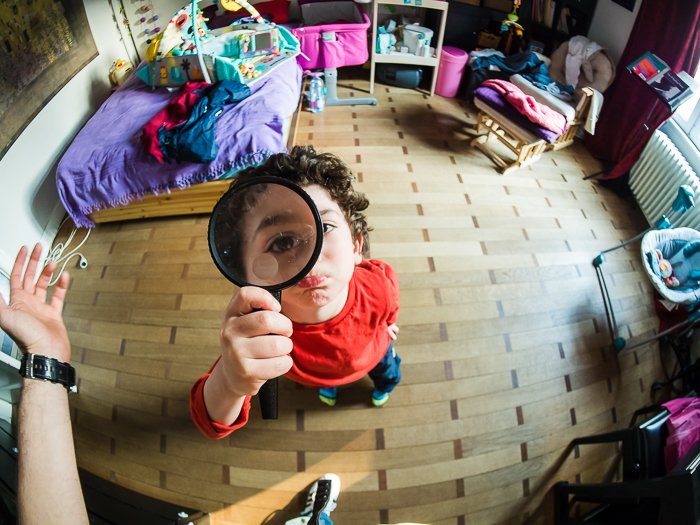
Fisheye lens photo of child holding magnifying glass
A funny portrait of my oldest child taken with my fisheye lens.

In reality, fisheye lenses are much more than curiosities. They are a very particular tool that can produce powerful effects in the hands of a skilled photographer.

This article is all about how to master your fisheye lens so that you can create strong and original images that will stand out from the crowd with their unique characteristics.

What Is A Fisheye Lens?
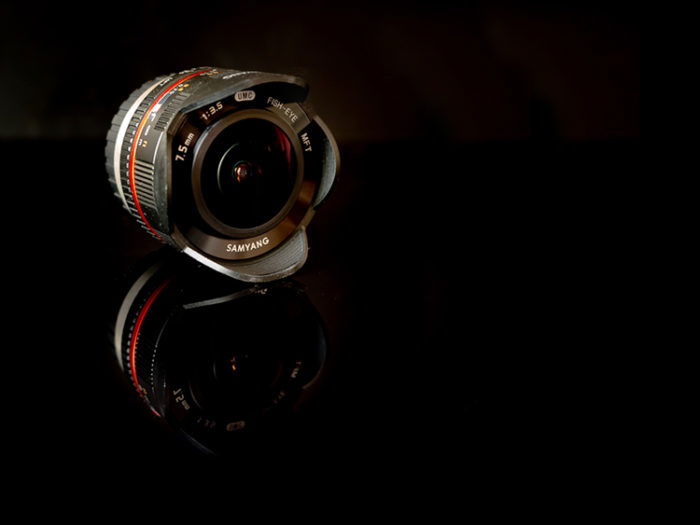
Samyang 7.5mm f/3.5 UMC MFT Fisheye with black background
The Samyang 7.5mm f/3.5 UMC MFT Fisheye lens.

A fisheye lens is a type of lens that produces an extreme wide-angle image with distortions that make straight lines appear curved.

As its name indicates, it is based on how a fish would see things beneath the surface of the water, with an ultra-wide hemispherical view of everything in front of it. By ‘ultra-wide hemispherical view’, I mean precisely that the lens has a 180° field of view (which is half of the 360° of a sphere, hence the term hemispherical).

The term ‘fisheye’ was first used to describe these kinds of photographic lenses in 1906 by Robert W. Wood, an American physicist and inventor.

While fisheye lenses will always project a circular image on the camera sensor, they can be grouped into two families: circular and full-frame fisheye.

A circular fisheye lens will project the whole hemispherical image onto the camera sensor. A full-frame fisheye lens, however, will project an image larger than the camera sensor. This leads to a non-circular photo with a field of view smaller than 180°. The photo below shows a comparison between images produced by the two kinds of lenses.
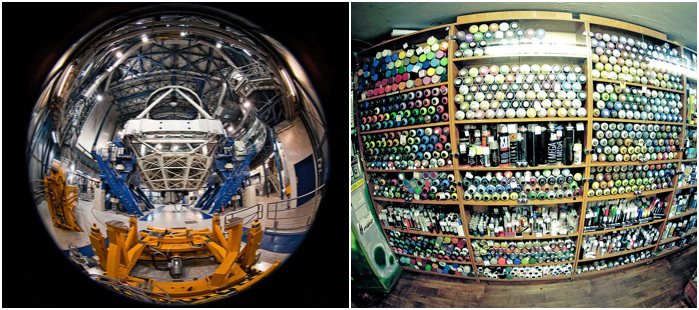
Comparison between photos made with circular and full-frame fisheye lenses
Comparison between circular (left) and full-frame (right) fisheye lenses. 
(Image credit: Wikipedia.)

Some Fisheye Lens Recommendations

Due to their huge field of view, fisheye lenses are usually found in action cams (e.g. GoPro cameras). Relatively cheap fisheye lenses are also available for iPhone and other camera phones (e.g. the Olloclip 4-in-1 set). And all the major camera lens manufacturers, such as Canon, Nikon, Olympus, Sigma, Sony, Samyang, etc., have a fisheye lens available in their catalog.

Finally, fisheye lenses come in all sorts of prices. From the $950, pro-grade Olympus M.Zuiko Digital ED 8mm f/1.8 Fisheye PRO lens all the way down to the much cheaper, but fully manual, Samyang / Rokinon / Bower fisheye lenses.

I own the fully manual Samyang 7.5mm f/3.5 UMC Fisheye lens for my Olympus micro 4/3 camera and it is a joy to use. If you are tempted to get a fisheye but don’t want to spend too much on it, do not be afraid to go fully manual. Thanks to the very large depth of field, manual focusing is actually quite a pain-free process.

[Note: ExpertPhotography is supported by readers. Product links on ExpertPhotography are referral links. If you use one of these and buy something, we make a little bit of money. Need more info? See how it all works here. — Ed.]

Fisheye Lenses and Optical Distortions

Fisheye lenses, together with rectilinear wide-angle lenses, have a focal length less or equal to 24mm (equivalent to full-frame sensor size). This means they fall into the ultra wide-angle lens category.

Rectilinear wide-angle lenses are built in such a way that straight lines in the scene will be rendered straight (uncurved) in most parts of the image, with increasing amounts of distortion towards the edges of the frame.

In general, the shorter the focal length, the more difficult it is to rectify the lens.  Fisheye lenses always manifest a strong curvilinear barrel distortion, as shown in the image below.
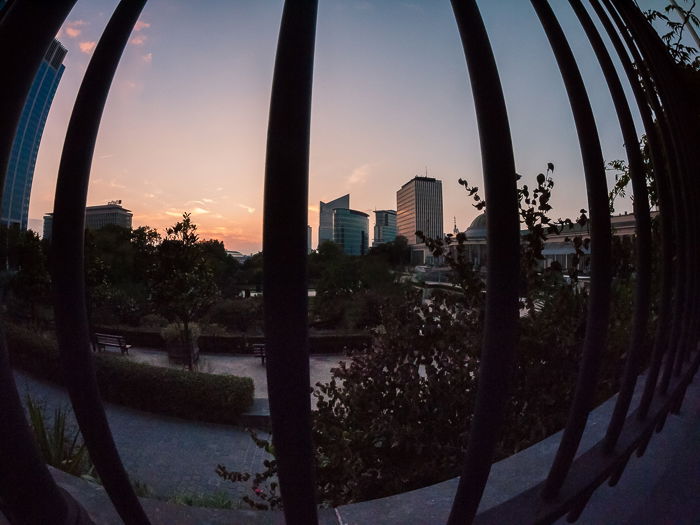
Fisheye Lens Photography: Barrel Distortion
This image illustrates well the curvilinear barrel distortion typical of fisheye lenses.

Many people do not like the fisheye effect because they do not like the resulting distortion in the images. In some cases, you can use post-process methods, such as defishing techniques using Lightroom or more specific software (e.g. IMADIO Fisheye-Hemi), to lessen the amount of distortion, or remove it altogether.

In general, though, careful composition and choice of subject can greatly reduce the visual impact of the fisheye distortion without the need for extra editing, particularly with full-frame fisheye.

So, how does a fisheye lens work in practice? All you need to remember to start doing serious fisheye photography is:

  • The central part of the frame is less affected by the distortions
  • The more you close in on your subject, the larger the distortion in the resulting image will be
  • If you want a flat horizon, place it in the middle of your frame, and crop the photo later on to satisfy composition rules, such as the rule of thirds
  • Tilt the lens upward to achieve a concave horizon
  • Tilt the lens downward for a convex horizon

What Are Fisheye Lenses Good For?

In general, fisheye lenses are great travelling lenses for your camera. Because they are generally fast and you can easily use them indoors, they are great for taking photographs in museums, churches, and monuments.

They are equally good lenses for walking around the city. Fisheye lenses allow you to emphasise the height of buildings and monuments, as well as capture wide birds-eye views looking down at the city from high vantage points.

If you like the natural landscape, fisheye lenses are perfect for capturing wide panoramic views and also to photograph nocturnal landscapes and the Milky Way in all its glory.

One thing’s for sure—because they are quite different from any other kind of lens, if you are stuck in a photographic rut, fisheye photography is a great way to get your creative spark back.

Let’s take a look at a few subjects you can photograph with a fisheye lens, and how to get some strong effects.

Fun and Weird Images

The most straightforward way you can use a fisheye lens is to create funny and weird-looking images. Try to use the fisheye distortions when photographing a pet’s nose from up close, as with the dog in the image below. Big nose and begging eyes, teeny tiny body, great fun.
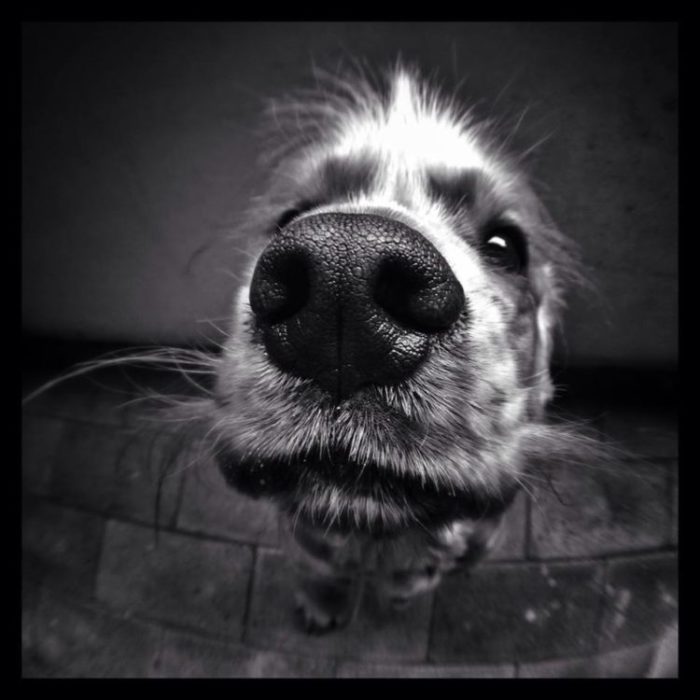
Fisheye Lens Photography: Close-up of dog's nose
Having your dog look at you is a great chance to use the fisheye distortions to make his nose 
appear huge and his body look tiny. This photo of my dog has been taken with the 
Olloclip 3-in-1 set on iPhone 5.

You can also tilt the camera upward or downward and rotate it to create funny landscapes from your otherwise unremarkable city park.
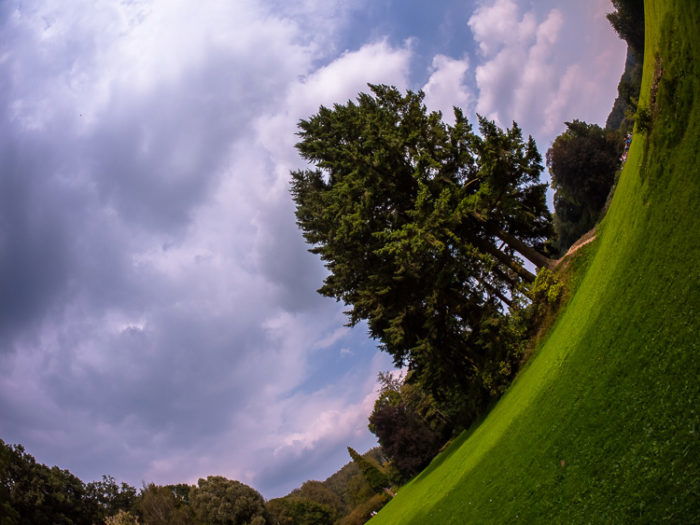
Fisheye Lens Photography: distorted view of park and sky
A weird-looking landscape.

Finally, you can take advantage of the huge field of view and place your camera in small, secluded spots.
What about a selfie from deep inside your washing machine?
Just make sure the place is dry and remove your camera before washing your clothes. 

Note how, in the photo below, I managed to place myself towards the centre of the frame, thus avoiding strong distortions on my face.
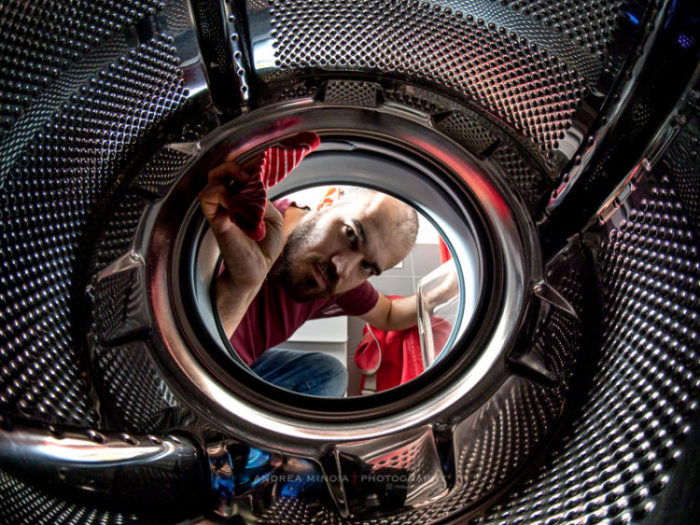
Fisheye Lens Photography: inside-washing-machine view
A selfie from deep inside your washing machine is something you cannot easily do 
without a fisheye lens.

Portraits

Usually people will not be flattered by having you taking their portrait with a fisheye lens—the nose will be too big, while the ears and body will be too small. In short, you will mess up the typical proportions of the face, particularly if you go for a headshot or for close-ups.
But, in toddlers and very young children, face proportions are still quite different from those of the average adult. Kids of this age have small noses and huge, beautiful eyes in contrast to the rest of their faces.
With a fisheye lens you can enhance these youthful proportions by making the toddlers’ eyes even larger, particularly if shot in close quarters, like from just beneath a car seat canopy.
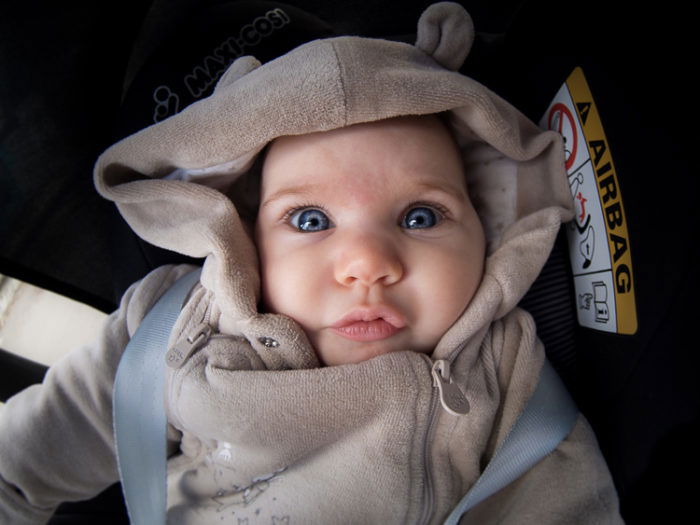
Fisheye Lens Photography: close-up baby picture
Fisheye portrait of my 4-month-old daughter. She was really amazed (or scared) by 
the camera, so it was easy to get her eyes wide open.

Natural Landscapes

Of all subjects, perhaps the one that suits a fisheye lens best is a natural landscape. This is generally because landscapes have no straight lines in them. And if you place the horizon in the middle of the frame, it can go unnoticed that you have used a fisheye lens.
This is a great way to avoid buying a wide-angle lens, particularly if you rarely shoot wide.
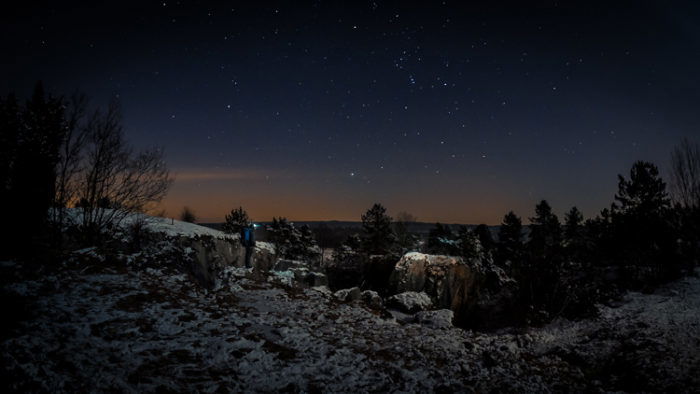
Photo of a natural landscape at night
Natural landscapes with their lack of straight lines can be photographed nicely with a 
fisheye lens.

Fisheye lenses typically have a fast aperture, useful if you want to capture a large portion of the Milky Way while having a strong foreground with a large and interesting subject, like this small tree lost in tall grass shown in the photo below.
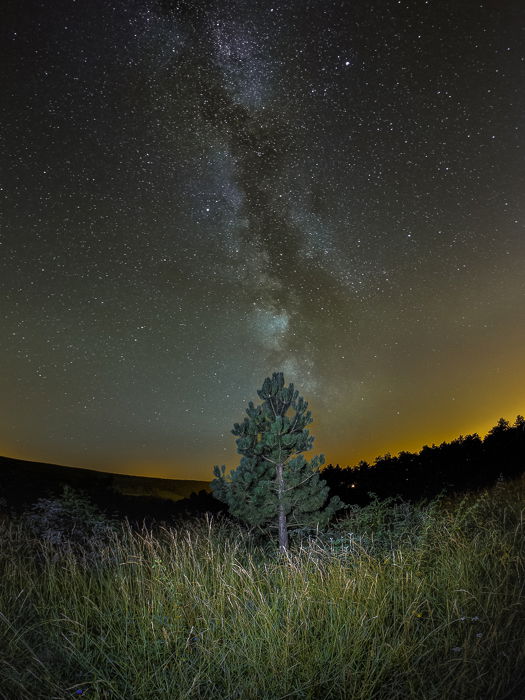
Fisheye Lens Photography: small tree with Milky Way in the background
If you have a fisheye lens, it’s worth spending few hours out under the starry sky with it to capture images of the the Milky Way.

Sometimes, it is nice to have a curved horizon in a landscape, in order to create stronger lines that will lead the viewer toward the subject, as in this morning shot taken at the castle of Bornem, in Belgium.
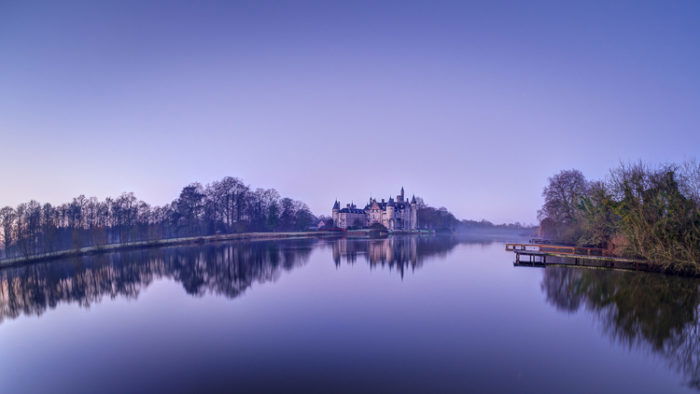
Fisheye Lens Photography: view of a castle at the horizon line
By curving straight lines such the horizon, the left bank of the channel, and the dock on 
the right, the fisheye naturally draws the viewer’s attention towards the subject: the castle.

Fisheye and the City

As I said before, if you are a fan of urban environments, you should get a fisheye lens to capture monuments and tall buildings. For instance, the Atomium is a world-famous monument in Brussels. It also happens to be 102m tall.

To capture it entirely at 24mm (equivalent to full-frame), you have to move back about 80m from it. With my fisheye I was able to get it all into the frame from 15-20m away. The distortions helped create an original image of this famous location.
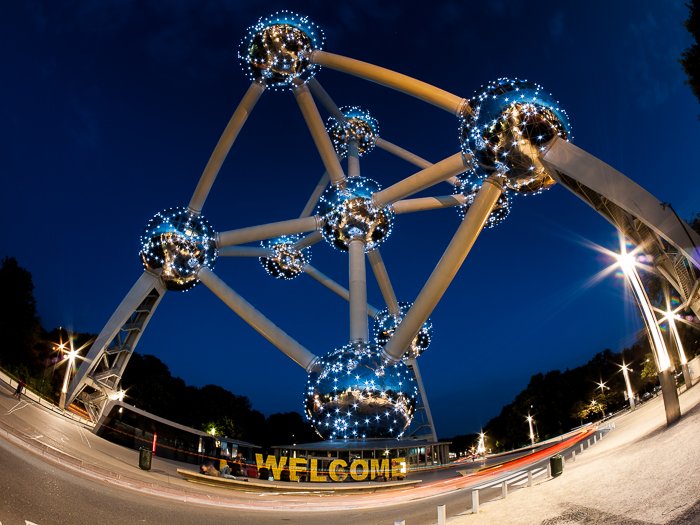
Fisheye Lens Photography: The Atomium
The Atomium. The fisheye helped to capture this 102 metre tall monument entirely from 
just 15 metres away and the distortions worked to create an original view of this 
world-famous landmark.

Another nice way to play with tall buildings is to use the distortions to make them bend around the image as if they were huge waves about to break.
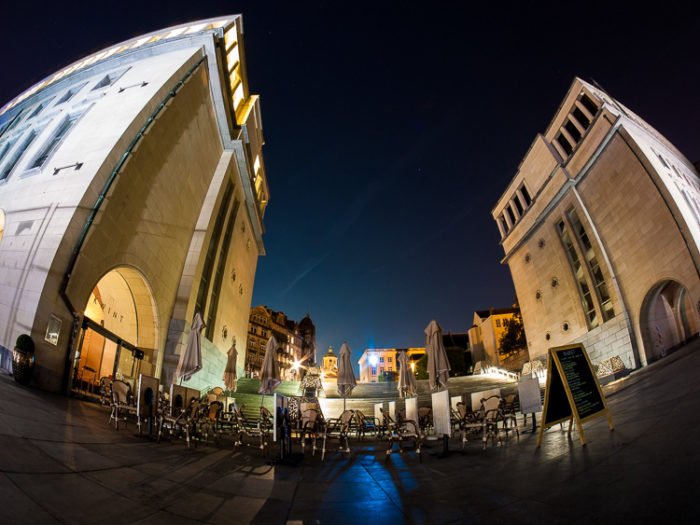
Fisheye Lens Photography: city square with buildings
Tall buildings warped, looking as though they’re huge waves about to break.

You should also take advantage of curved lines and amplify them to create strong leading lines, like this circular platform roof in front of Brussels Central Station.
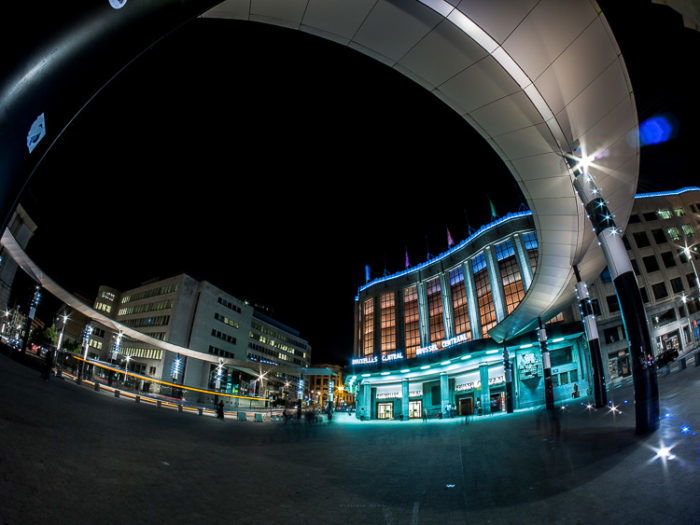
Fisheye Lens Photography: Curved leading lines
Taking advantage of curved lines to create strong leading lines.

Finally, everybody shooting in the city has tried the classic photo with night traffic light trails. Usually those trails are straight or snaking into the distance following the road.
With a fisheye you can get a full roundabout into the frame and have some space left to get circular trails. This creates a nice ‘traffic light carousel’.
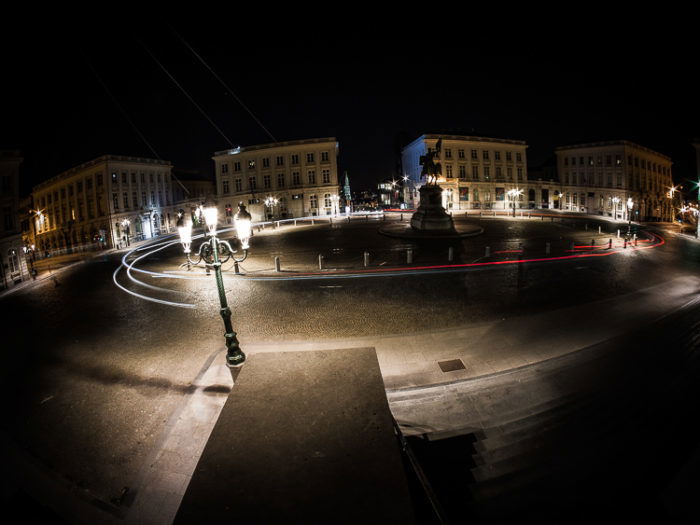
Fisheye Lens Photography: Light trails at night
Turning a roundabout into a light carousel.

Before moving on to another subject, I would like to point out that I didn’t find lens flares to be an issue, as these nocturnal cityscapes (with their many street lights and other artificial light sources) show.

Interiors

You can do indoor photography with a fisheye and easily get everything into a single image. I took this picture of a gallery in Brussels, which has some nice interior architecture.
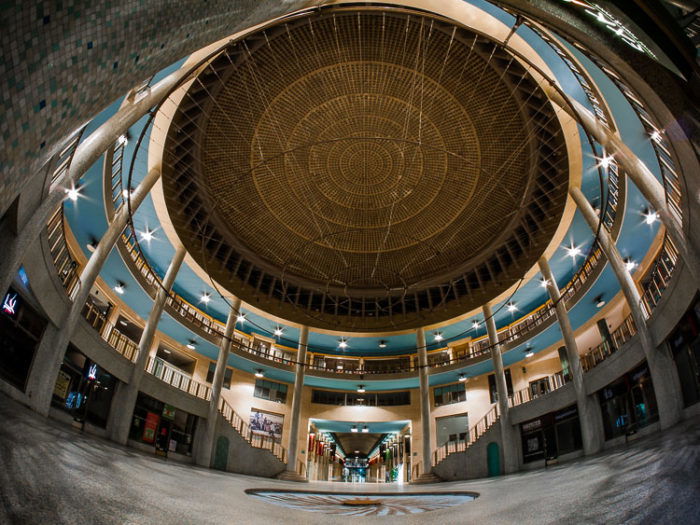
Fisheye Lens Photography: Ravelstein Gallery
Interior of the Ravenstein gallery, near Brussels Central Station.

Bird’s-Eye Perspectives

It sounds funny to say, but you can get some great bird’s-eye views with a fisheye lens. If you have access to a high vantage point, you can have a nice panoramic view over the city.
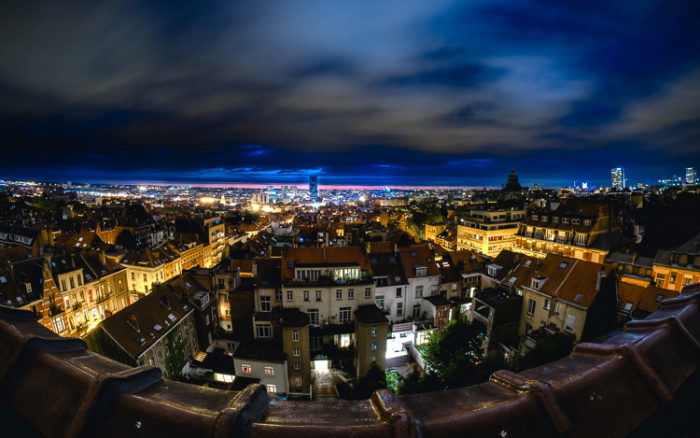
I’m lucky to live in a tall building on top of a hill in Brussels. As such, I found myself climbing to the building roof quite often with my fisheye to take photos.
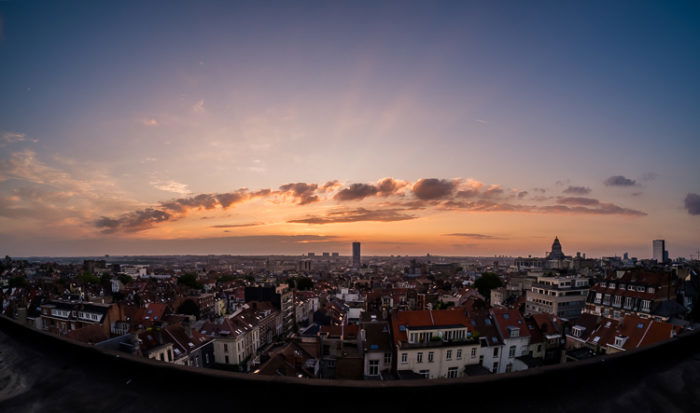
Fisheye Lens Photography: Sunset panorama
Sunset over Brussels.
Fisheye Lens Photography: Nighttime panoram
Brussels by night.

Need More Ideas?

Sports cars and motorbikes, as well as airplanes are great subjects for fisheye photography, provided that you can shoot from up close. People doing sports, like skaters in a skate park, also make for interesting subjects.

The real limit in using a fisheye lens, though, is your creativity and willingness to explore different possibilities.

Are you into street photography? With a bit of luck you can do it even with a fisheye lens. I managed to get a lucky shot of a praying man in the hall of the Justice Palace in Brussels at night.

The great merit of the fisheye lens in this photo lies in the way it highlights how huge the Justice Palace hall really is, compared with the praying man in front of the large door. The lens’s distortion make it seem as though his surroundings are stretching to dominate the space above him.
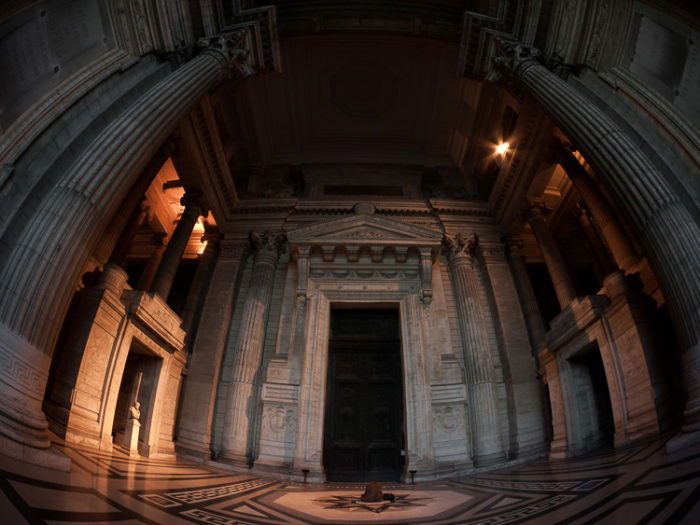
Fisheye Lens Photography: Size contrast
The praying man, dwarfed by his surroundings.

The Major Drawback in Fisheye Lens Photography: No Filters

Working with fisheye lenses is not great if you are addicted to photographic filters. As far as I know, no fisheye lenses can mount standard filters. This is due to the bulging front element of the lens. But you may find some custom made or DIY solutions.

Below, you can see an example of why you may need to use a filter with a fisheye lens.
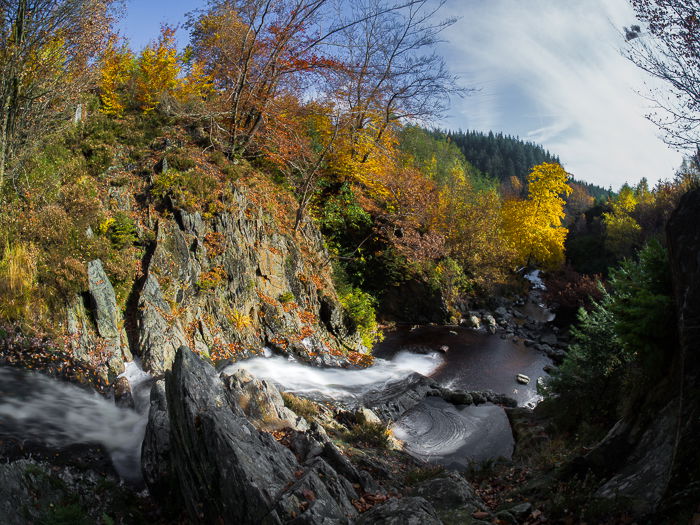
I took this photo from the top of the Bayon waterfall in Belgium.

The use of a fisheye lens provides a nice, dynamic view of the area. I could combine many interesting elements, such as the water rushing down the waterfall, the colourful foliage, and the streaky clouds in the sky beyond

Fisheye Lens Photography: Bayon waterfall
The Bayon waterfall (Belgium). Olympus OM-D EM-10 with Samyang 7.5 f/3.5 
MFT fisheye lens.

I wanted to have a scene that was dynamic, colourful, and large enough to capture the grandeur of the place. From where I was standing, I had to use my Samyang 7.5mm fisheye lens to do this.
I also wanted to incorporate the nice, silky look of motion-blurred water over rocks, which meant I had to take a long exposure.

How to Deal with the Problem: Two Workarounds

Placing a handheld filter in front of the lens may work with GND filters but for long exposures this is a ‘no go’. Light leakage will be unavoidable.

As mentioned earlier, because these wide-angle lenses have the front element bulging out, some, such as the Canon EF 11-24 f/4L USM, have a rear slot for gelatin filters. Some people have taken to taping small pieces from ND gelatin filters to the rear element of a fisheye lens. 


-------------------------------------------------------------------------------------------

Another FREE Photography Ebook 
A Focal Point Defined and How to Use One – Free Quick Guide


A focal point is one of the more straightforward composition concepts for a photographer to grab onto.

However, many photographers don’t really understand what a focal point is and, more importantly, how it works to their advantage.

A focal point is most simply defined as the point of interest in an image and the area that is the center of attraction for a viewer. In the fine arts, the focal point is referred to as the point of interest that makes an artwork unique. This is an exciting concept to carry over to photography.

When you choose your focal point, you’re essentially telling a viewer where you want them to look.

Keep in mind that there are essential steps in the use of a focal point.

In this guide, Jo Plumridge provides you with an introductory lesson on focal points in photography.


Thursday, January 20, 2022

What Is a Wide Angle Lens (And When to Use One!)

Tags: Shutterbug, Photography for Beginners, Newbie Photography

As a photographer, you have a vast selection of lens options to choose from. Those that show a vast portion of the scene are called wide angle lenses. But do you need one? And which wide angle is the best lens choice for you?

To tackle this question, let’s look at the different types of wide angle lenses available, and when to use them.

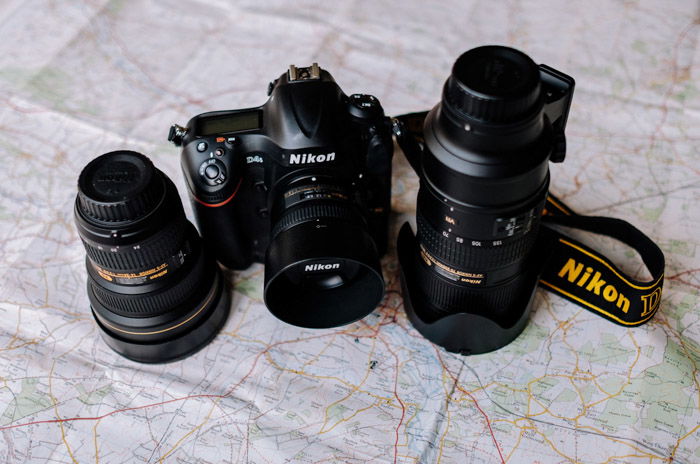
A Nikon dslr camera and two different wide angle lenses resting on a map 

What Is a Wide Angle Lens?

First, we must clarify the meaning of wide angle.

The most common description is that a wide angle lens displays a wider field of view than our vision. However, this doesn’t translate directly to millimetres (mm) and degrees.

So, what focal lengths (in mm) can be considered wide angle? The popular definition is that a lens below, or equivalent to 35mm is considered a wide angle lens. This is roughly 65 degrees of diagonal field of view.

Does a Wide Angle Lens Zoom?

All lenses, including wide angle lenses, come in either a prime or a zoom version. A prime lens has a fixed focal length, meaning you can change your field of view by moving physically closer or further away.

Primes are generally lighter, faster, cheaper and produce better image quality. The Canon 24mm f/2.8 STM is a great example of a cheap and small prime. 

A zoom lens has a variable focal length (zoom range). Some all-around “travel” zoom lens options cover wide, standard and telephoto focal lengths alike. Most zoom lenses are more specific, giving you one or two of these.

Zoom lenses very versatile, allowing to keep your gear to a minimum. But, generally, a zoom lens is heavier and more expensive, due to extra mechanisms and glass inside the lens. Kit lenses are exceptions, they are often quite small, but they come with serious compromises.

Zooms’ image quality is usually surpassed by prime lenses in the same price range. They are a jack of all trades, master of none in particular. The Canon EF 16-35mm f/4 lens is an excellent example for a professional wide angle zoom lens.

How Wide Is a Wide Angle Lens?

We have to make a disclaimer here. The camera that you use influences how your lens will ‘look’. Smaller sensors crop out the centre portion of any lens, resulting in a tighter field of view.

For simplification, all focal lengths mentioned here are full-frame equivalent. If you want to know how these translate to your camera, divide them by 1.5 (APS-C) or 2 (M4/3).

As I mentioned, by popular definition, wide angle means anything below 35mm. But there’s still a lot of room for further specification.

Focal lengths between 35mm and 24mm are considered standard wide angle. Between 24mm to 16mm is what we usually refer to when saying wide angle. Focal lengths below 16mm are considered ultra wide angles.

The most popular wide angle zoom range is 16-35mm. Most kit or standard zoom lenses go down to 24mm or 28mm. The widest lenses on the market are 10mm (rectilinear) and 8mm (fisheye).

What Are the Three Main Types of Wide Angle Lenses?

In terms of distortion, we differentiate between three main sorts of wide angle lenses.

Fisheye Wide Angle Lens

Fish-eye lenses are special ultra-wide angle lenses. Their angle of view is usually 180°, allowing you to see half of a full rotation.

They have a distinctive, hemispherical type of lens distortion. They cram in as much information as possible. Thus, they don’t produce straight lines.

In terms of focal length, they are at the bottom of the scale.

The Rokinon HD8M-C 8mm f/3.5 HD is a great example. There are also fish-eye zoom lenses (though only a few), such as the Canon EF 8-15mm. There’s an ultra-rare 6mm f/2.8 fish-eye made by Nikon. 

Most action cameras, like the GoPros, also feature built-in wide fish-eye lenses.

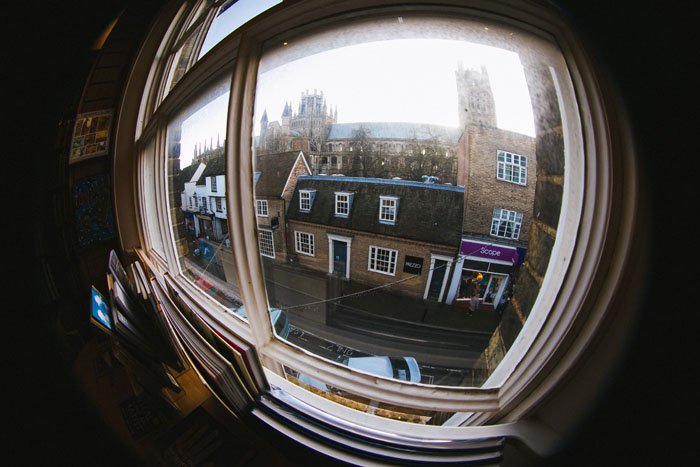
A street view through a window showing fish-eye distortion
Fish-eye distortion. Image by Phil Hearing on Unsplash

Rectilinear Wide Angle Lens

Rectilinear wide angle lenses are the other type. These are not free from distortion either, but they keep lines (close to) straight.

You might still notice moderate barrel distortion on some. It is more obvious in architectural images, where the lines bow outward, away from the centre. But, it’s also easy to correct during post-processing.

Basically, any lens that’s not explicitly marked as fisheye is rectilinear.

They won’t give you a full 180° field of view, although some are close. The widest currently available are the Samyang XP 10mm f/3.5, the Laowa 10-18mm, and the Voigtlander 10mm f/5.6.

You can get lenses with shorter focal lengths, but they are solely for cropped-sensor cameras (like the Sigma 8-16mm).

Keep in mind that you cannot compare a 16mm fisheye with a 16mm rectilinear wide angle lens. Because of the distortion, the fisheye lens will give a different, slightly wider image.

The Canon EF 28mm f/1.8 USM is a good example of an all-around, rectilinear wide angle lens for Canon. If you have the budget for it, I strongly recommend the Canon 24mm f/1.4L II lens. It’s one of my all-time favourites.

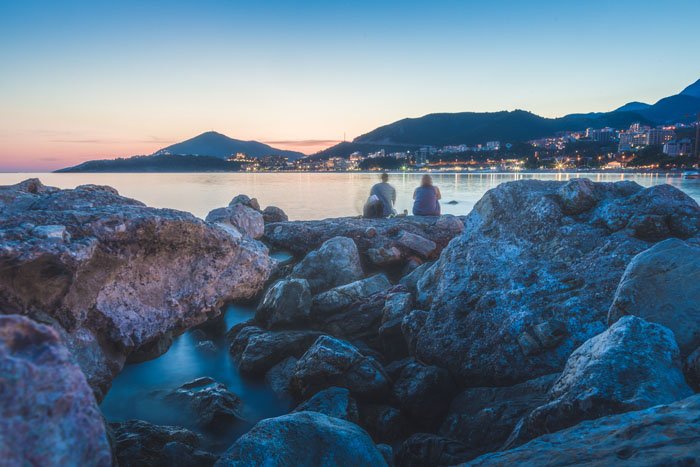
Photo of a couple sitting on the coast of a waterscape at sunset shot with a wide angle lens
The lines here are straight. Photo by the Author

Tilt-Shift Wide Angle Lens

Although tilt-shift lenses don’t have to be wide angle lenses necessarily, most are. Neither of the previously mentioned two lens types allows you to correct for perspective distortion.

This type of distortion is especially prevalent in wide angle lenses. It happens you’re not viewing two parallel lines directly from the middle. With a standard rectilinear lens, they would converge.

Tilt-shift lenses take rectilinear a step further.

They project much larger images than the full-frame sensor. You can move the lens on the plane parallel to the sensor both horizontally and vertically. Thus, they can make converging lines parallel, or parallel lines converge.

You also have the option to independently control (tilt) the plane of focus.

These lenses are extremely sophisticated and very expensive. They are the most popular lenses among professional architecture and fine-art photographers.

My favourite is the Canon TS-E 24mm f/3.5L. It’s a very versatile lens. You can even attach a teleconverter to make it a longer tilt-shift lens.

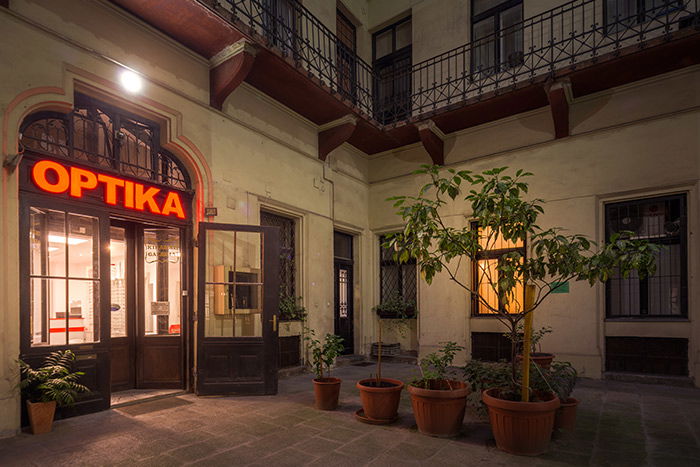
Photo of the patio of an older building shot with a Canon EF  TS-E 17mm wide angle lens
I corrected the perspective by shifting the lens

When to Use A Wide Angle Lens (with Recommendations!)

So, what is a wide angle lens used for? Wide angle lenses are generally used for scenes where you want to capture as much as possible. Landscapes, cityscapes, and architecture are the main categories that use a wide angle lens.

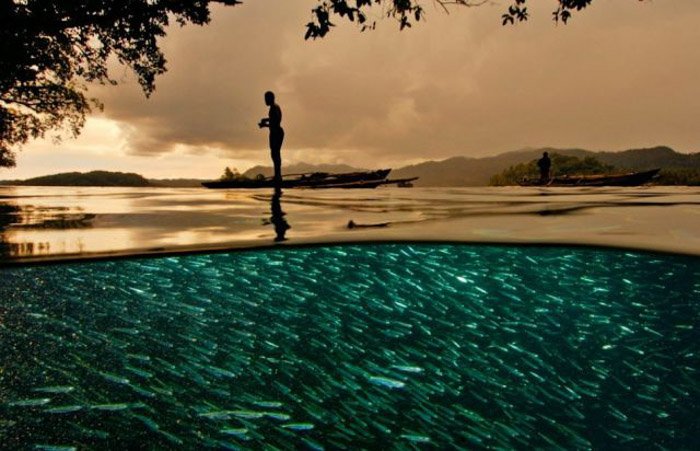
A fish-eye lens captures even more of the scene but is mainly used for artistic and creative purposes. They are wide enough to nicely capture the two-worlds scene that I am sure we have all seen and admired.

Be aware that you have to be very conscious of your composition to work well with a wide angle lens. It is easy to fall into the trap of showing too much.

A person standing beside a turquoise pool full of fish in golden evening light, shot with a wide angle lens.
Image by David Doubilet, National Geographic

Street Photography

I often use my wide angle lens for street photography. If I need to get closer to a subject, I move there myself.
As Robert Capa taught us, “If your images aren’t good enough, you’re not close enough”. This can be a pain with wide angle lenses, as you need to get in really close.

In turn, it can give a dramatic perspective and a sense of presence.

I recommend a fast 35mm or 24mm prime lens for street photography, especially in challenging lighting conditions.

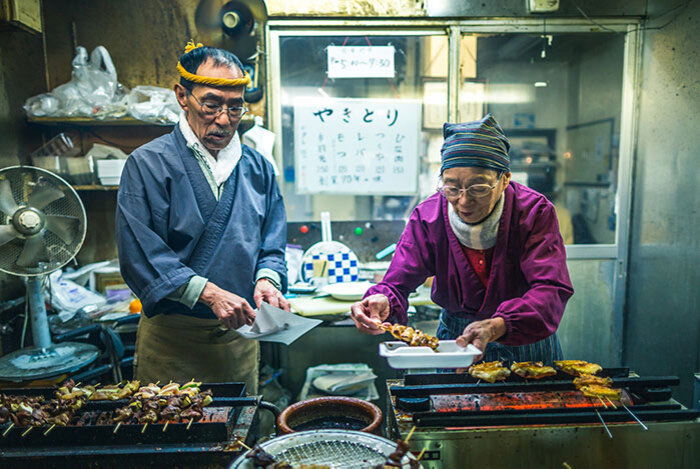
Photo of people at an Asian market food stall shot with a wide angle lens

Travel Photography

When you’re travelling, you don’t usually want to bring a lot of lenses. Lighter gear means more room to pack other stuff or more convenient travel. So, most photographers opt to choose a standard zoom lens, maybe an extra telephoto lens.

If you’re going to a place with a lot of landmarks, or vast landscapes, I suggest you include at least a moderately wide lens. If your kit lens goes as low as 24mm, it might be enough. (Keep in mind that the 18mm kit lenses are equivalent to 28-30mm.)

I actually seldom bring a standard zoom lens when travelling. Instead, I tend to rely on a wide angle prime lens and a short telephoto prime.

My two favourite lenses for travel are the 24mm f/1.4 and the 85mm f/1.8. Sometimes I throw in the 40mm f/2.8 pancake lens because of its tiny size.

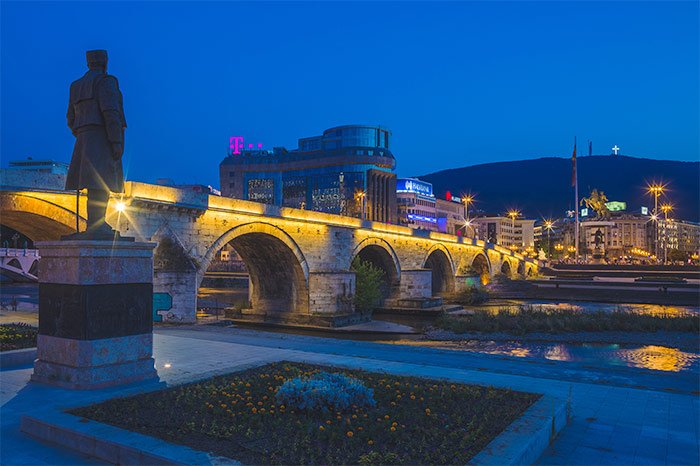
Photo of a bridge at night
A 24mm view is usually enough for travel. Image by the Author

Architecture and Real Estate Photography

For these specific purposes, you’ll need to have a wide lens. An ultra-wide lens is recommended for interiors.

Aperture and build quality are not really of consideration here. What you need is a versatile, sharp and wide lens.

You might opt for a tilt-shift. They give you excellent image quality, advanced controls, and distortion-free results – for a high price.

Canon and Nikon both make fantastic tilt-shifts, often for astronomic prices. Samyang, a third party manufacturer, offers less expensive options which still give you a lot of value.

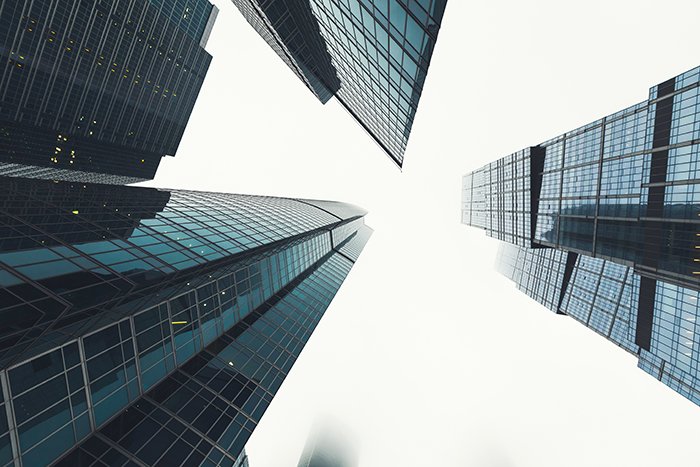
Photo of skyscrapers with glass windows shot with a wide angle lens

Landscape Photography

For landscapes, you inevitably need a wide angle lens. As you’ll probably do it from a tripod, the aperture is not a very important factor. Instead, size, weight, image quality and weather sealing are.

The lens we love for landscapes is the Canon EF 16-35mm f/4. Learn the ins and outs of landscape photography in our Simply Stunning Landscapes course.

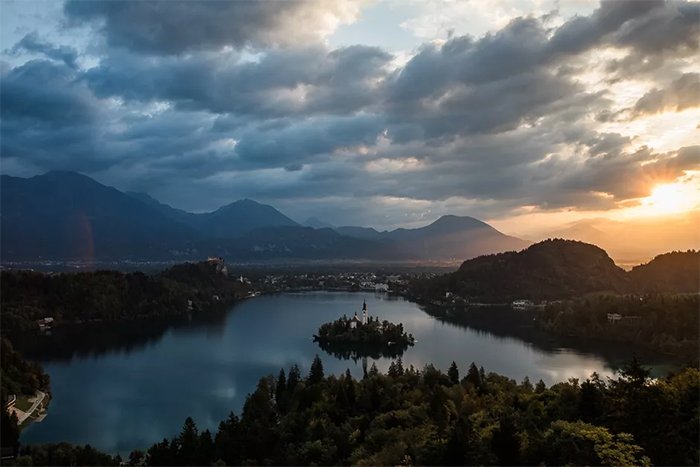
Photo of a landscape with mountains in the background at sunset
Photo by Josh Dunlop

Event Photography and Photojournalism

These fields (among other gear) require fast and wide lenses. You have to be ready for numerous possible lighting and action situations.

Use wide angle lenses when you need to capture the all-encompassing shot. Or, use it to get really close-up for dramatic angles – remember Capa’s words.

You have several options.

You can choose a wide zoom lens. On the Canon and Sony sides, there are several 16-35mm f/2.8 lenses, which are very popular. Nikon makes a 14-24mm f/2.8, along with Sigma.

These are all versatile, well-built and provide adequate image quality, but are all serious investments.

Sadly, with zooms, you very rarely get below f/2.8. To capture moving subjects in low light, you still have to raise the ISO quite a bit – resulting in more noise.

The way I prefer is going with wide aperture primes. As mentioned, I’m a big fan of the 24mm f/1.4 lens but there are other options. Most brands make 35mm f/1.4 lenses. Tamron recently brought out their own, which I like a lot.

If you need wider, Sigma makes a 20mm f/1.4 lens. If you need even wider (rarely), there’s the 14mm f/1.8 – a unique lens, not challenged by anything else on the market, but not particularly suited for photojournalistic applications.

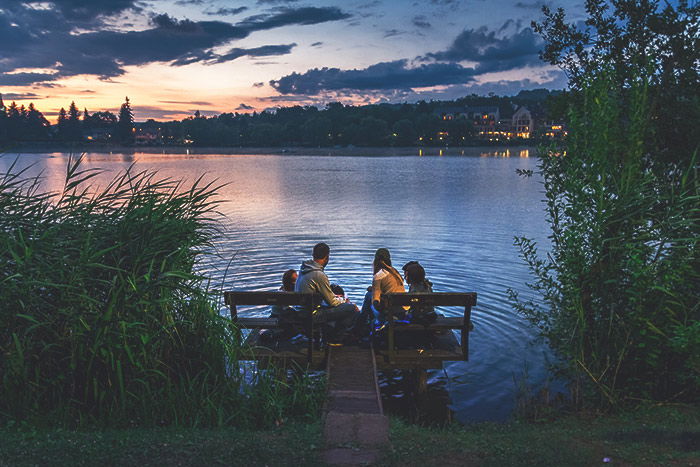
Photo of a family sitting beside a lake at sunset
Photo by the Author

Night Sky Photography

If you want to photograph the night sky (maybe the Milky Way), fast prime lens are the way to go, too, especially the aforementioned 14mm f/1.8 lens.

Follow our guide in the Milky Way Mastery course to know all about this field, and the use of wide angle lenses in it.

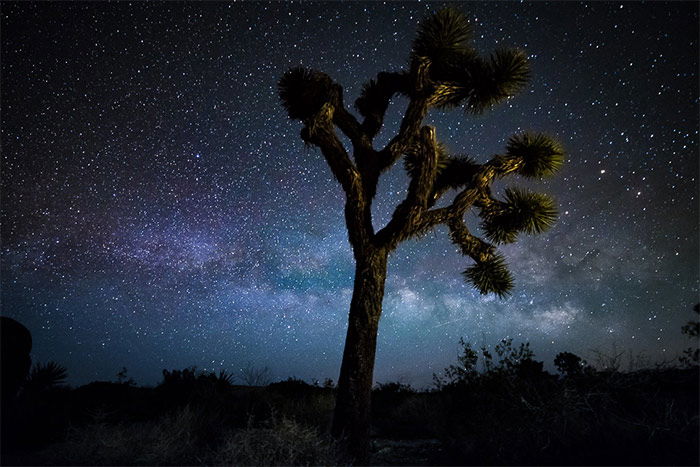
Photo of a tree with the starry sky above
Photo by Josh Dunlop

Why Not Use Your Normal Lens?

You could use a multitude of lenses to try to replicate the view from wide angle lenses.

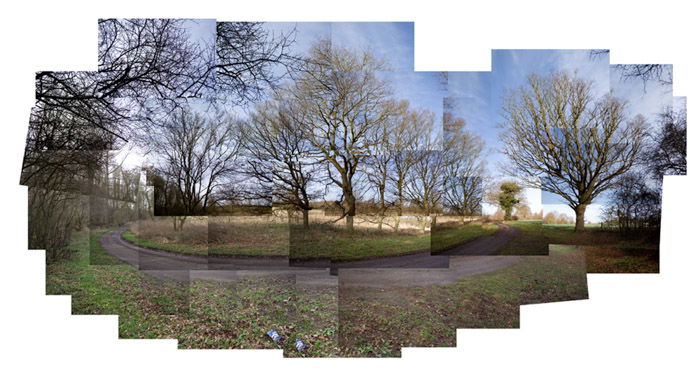
If you were to use a standard 50mm lens, for example, you would have to shoot a few dozen images and stitch them together for a 16mm view. Six to eight images may be enough to cover 28mm.

Here, you’ll need an editing program such as Adobe Photoshop or Lightroom. If you have the time, the non-moving subject, and the effort required, you can be quite successful with this. Your combined image will also have a much higher resolution than a single shot.A photo montage comprising of many images creating a large landscape image

There’s also a different consideration to stitching. You can use it to replicate the shallow depth-of-field look of large formats. There’s nothing to stop you from doing it with portraits or product shots.

The pioneer of this technique is Ryan Brenizer, a wedding photographer from New York. He achieves impressive background separation and wide angles simultaneously with it.

Of course, other photographers also borrow his trick. It takes time to perfect (particularly with portraits), but the results are rewarding.

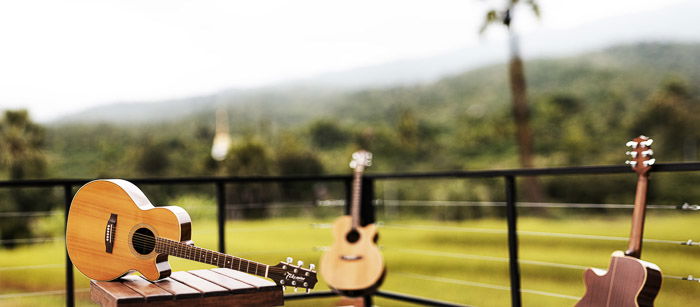
A guitar resting on an outdoor table shot with wide angle lens
Photo by Kevin Landwer-Johan

Beginner photographers often neglect wide angle lenses. But they are powerful tools of expression, providing options that no other lens type is capable of.

Wide angle lenses can also pose challenges. Applying composition and exposure skills to wide angle shots can be harder than expected.

It’s important that you feel comfortable using your wide angle glass, without overthinking it. Going with your flow almost always yields great results. This way, your shots will be genuinely great and unique.

You’ve Purchased a Wide-Angle Lens – Now What? – Free Quick Guide


Most lenses are bought with a specific problem or need in mind. 

Need to photograph the eye of a fly? Buy a macro lens. Need a versatile studio lens? Buy a 24-70 f/2.8. Need to photograph wildlife? Buy a 70-200 f/2.8. Bird photography? Buy a lens reaching up to 600mm.

The wide-angle lens is different.

It is often purchased because its owner feels that they have reached a plateau in their photography.
It’s time to grow in a different direction, they think. To try something new.

A wide-angle lens is perfect for that. It is unique in its capabilities and in the type of problems it solves.

Whatever the reason that you bought yours, I guess you are now thinking to yourself, “Well, this is it. I have it. Now what?”

That is what this guide is all about.

You can learn about using a wide-angle lens right here.


Tuesday, January 18, 2022

8 Best Tips for Framing Photography Shots

Tags: Shutterbug, Photography for Beginners, Newbie Photography

Why Framing Is Important in Photography

In photography, composition and lighting are everything. Without the right perspective

your subject will look unflattering or not stand out.

This is where framing comes in.

In essence, framing photos is surrounding a subject with different elements. This makes 

it stand out and grab the viewer’s attention. You can think of this as a frame within a frame.

There are many ways you can use framing. Some depend on luck. Others rely on the 

photographer’s creative eye. The right photo framing will make your photos look original 

and stand out. Here are a few ways you can achieve this.

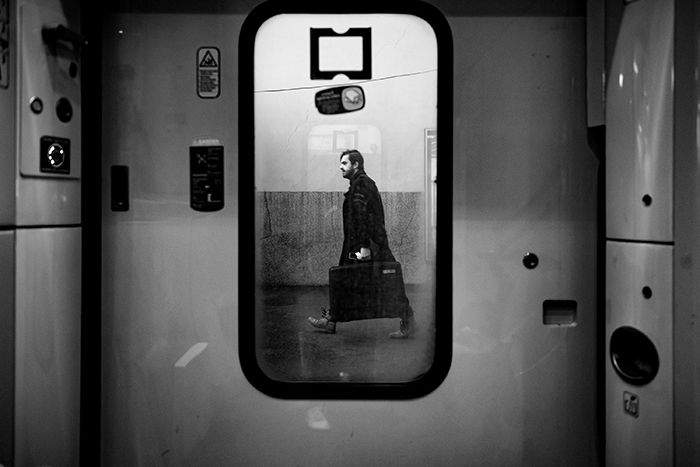
Photo of a man walking with a suitcase reflecting in a mirror
The man’s surroundings in this photograph are unknown. It makes this image the epitome 
of great framing. There are no unnecessary distractions. The window frame emphasises 
only one subject. It helps that this image is black & white. Colors can be very distracting 
in certain compositions. Especially in genres like street photography.
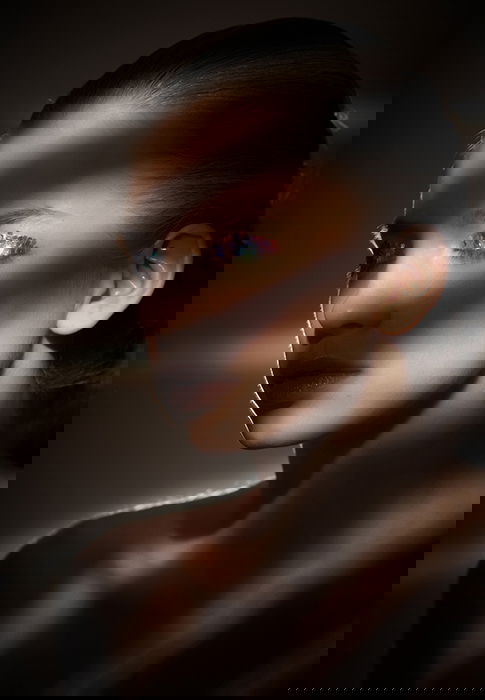
8. Create Frames Using Light and Shadows

Photography is the art of capturing light. Light is one of the best ways of highlighting elements 

in your image, whereas darkness hides elements.

So it is understood that one way of creating a frame in your image is to use light and shadows.

Portrait of a woman in artistic light as a frame.

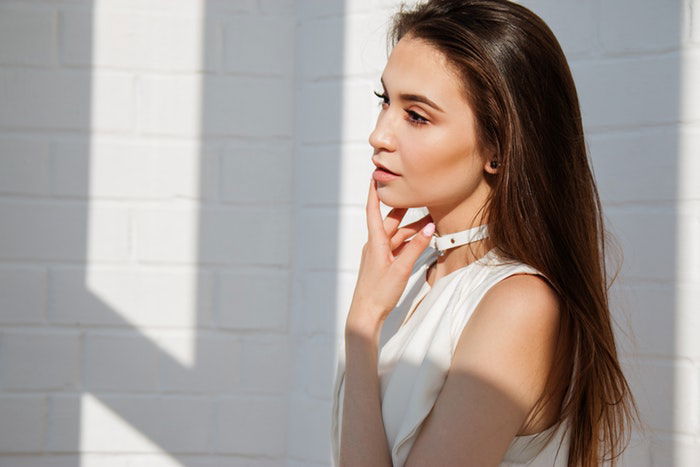
Shadows don’t always have to be harsh to frame the subject. Take a look at the image below. 

You may not even realize the soft shadows at first glance the soft shadows that subtly frame the woman. Portrait of a woman from the side - framing photography

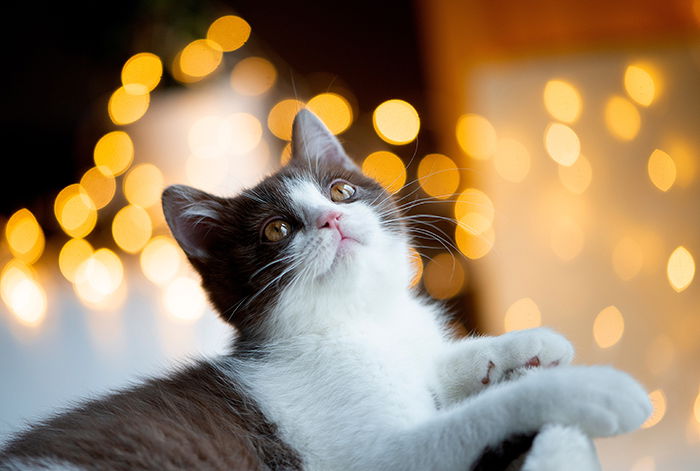
7. Experiment with Bokeh

Bokeh is a creative way of using light to frame your subject.

There are many ways to create a bokeh effect. You can use fairy lights, capture light shining 

through leaves, or use a crystal or glass. This creates a soft, artistic frame.

You can incorporate bokeh in the background, in the foreground, or in both.

Cat with a bokeh frame.

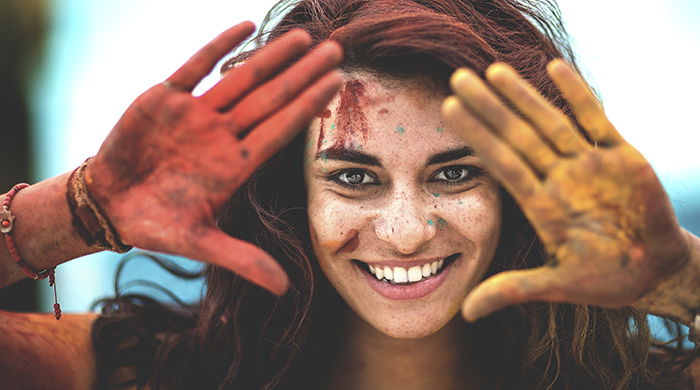
6. Ask the Subject to Frame Themselves

If you are shooting a person, you can also use them to frame themselves. Many models and 

professional portrait photographers use this technique.

The model can place her hands, for example, in a way that it created a frame around her face. 

This is a natural and flattering way of putting emphasis on a certain body part.

Young woman holding paint covered hands up to frame her face.

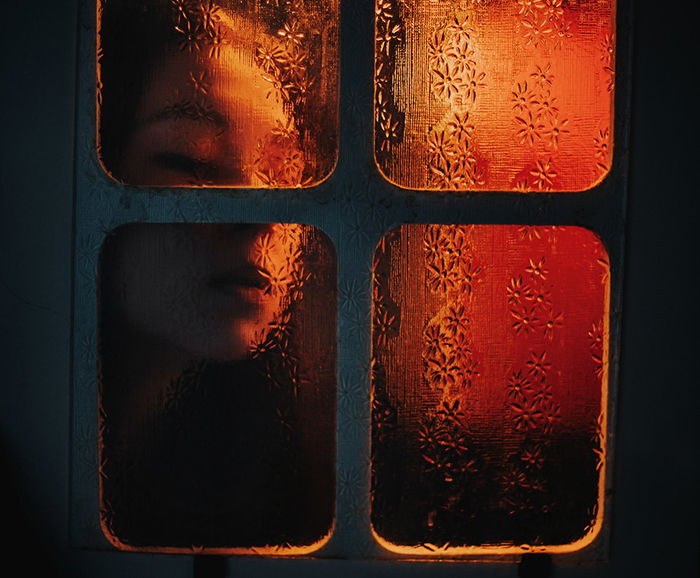
5. Use Doors and Windows to Make Your Subject Stand Out

One of the best ways to frame around your subjects is to use doors, windows, or actual 

frames. These can be in the foreground through which you shoot. Or they can be in the 

background with the subject in front.

Doors and windows are perfect for framing simple photos of people, places, and objects.

There’s a lot you can do with a single framing tool. For example, you can use a window as a 

background or a blurred foreground. Or you can use a frame that you shoot through to 

emphasize an indoor or outdoor landscape.

If you’re shooting at a wedding, you can use simple photo booth frames. You’ll get 

funny photos without compromising the quality of your photography composition.

Portrait photo of a woman shot through a window
When shooting through windows or doors, you don’t need to focus on your subject 
all the time. Experiment with different angles, lighting, and focal point. Try to create 
conceptual or abstract photos like this one.

4. Shoot Through Objects to Bring out Details

Using elements in the foreground to fill negative space can make your image look more 

interesting.

If you want to create a soft atmosphere, use a large aperture. Make sure the object is close 

to your lens without completely covering it. Your goal is to put the spotlight on your focal 

point by covering its surroundings with a pleasant blur.

For something more detailed, use a smaller aperture. Take a few steps away from the 

foreground. This will still create a blur, but it will make the foreground more visible. This 

technique is often used in wide-angle photography. It helps capture as much of the 
atmosphere as possible.

Depending on your theme, you can use a combination of simple and vibrant objects.

You can use foregrounds to make a minimalist portrait stand out. Flowers work especially 

well here.

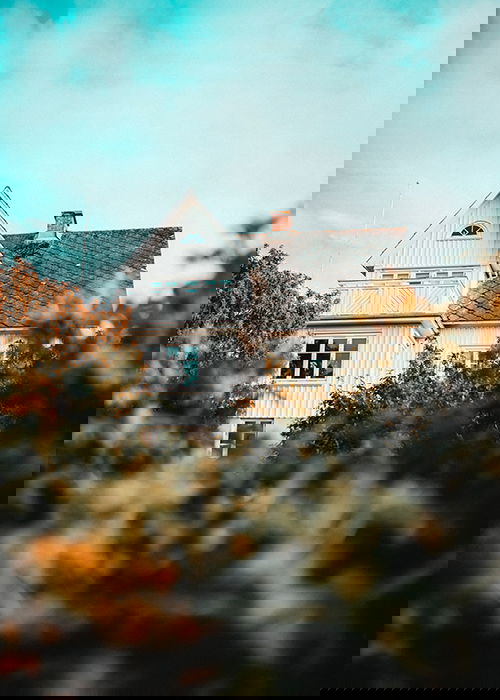
For a moody landscape shot, you can take photos through a branch or a bush.

Photo of a house with bushes in the foreground
Natural foregrounds, such as bushes and trees, are perfect for visually aesthetic outdoor photos.

3. Cover Your Subject in Simple Fabric for Minimalistic 

Effect

Outfits and decorations are very helpful when enhancing a composition. Your subject might 

look awkward or dull compared to their surroundings. Try framing them using cloth or fabric. 

This is most useful for framing portrait and still life photography.
Ensure the cloth you use complements your subject’s appearance and shape. Neutral and 

pastel colors tend to work well in most shots.

Make sure the clothing you use complements your subject’s appearance and shape. Neutral 

and pastel colors tend to work well with almost everything.

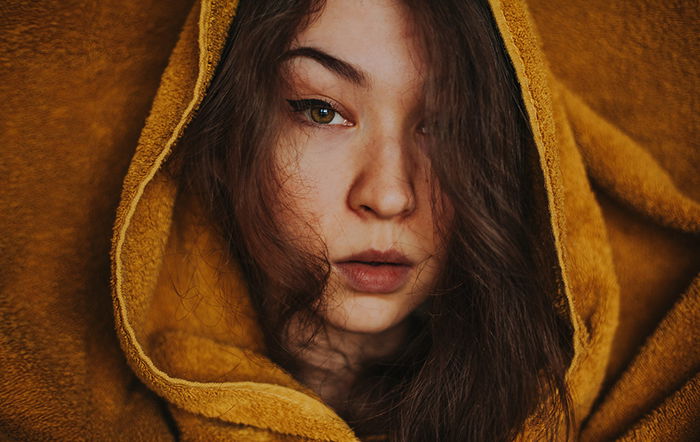
Portrait photo of a woman covered in a blanket
For this technique, you don’t need expensive props. Towels, curtains, and even sheets 
of paper can make a big difference. The original background was distracting and 
unflattering in this shot. I used a simple towel to cover it up and make the model’s face 
stand out.

Another way to use this framing technique is to cover parts of your subject. This puts the 

spotlight on a specific area.

For example, if you’re photographing a person, you can cover half of their face. This will 

lead the viewer’s eye to the part of their face that’s visible. And it’ll make your composition 

more intriguing to look at.

Portrait photo of a woman shot through white curtains as a frame
When taking photos with blurred foregrounds, make sure you use manual focus. Your camera’s autofocus might get confused and focus on the wrong detail. If you’re taking self-portraits, use autofocus to focus on your face first. Lock the focus, and then cover the lens with an object.

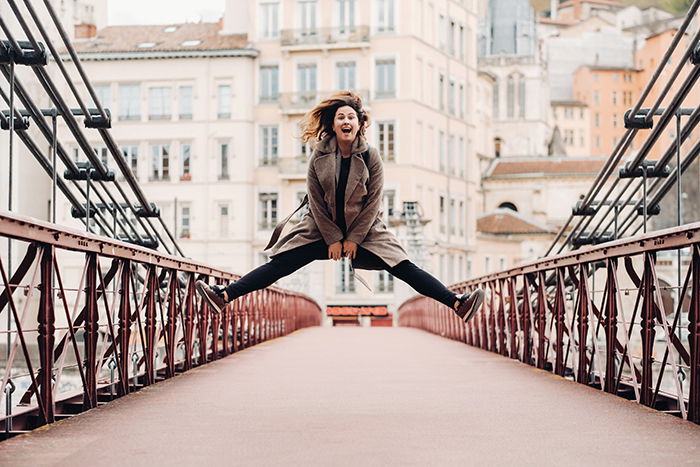
2. Use Natural Symmetry to Put Emphasis on Your Model

Compositions and symmetry go very well together, especially in atmospheric photos.

You can take a few steps back from your model without making your composition look busy. 

You can do so using basic symmetry knowledge.

This doesn’t mean you have to set up a studio with symmetrical props or backgrounds. Look 

for symmetrical elements in cities or out in nature. Some of the many examples could be 

countryside roads, skyscrapers, bridges, or water reflections.

Place your subject in the middle (or somewhere close to the middle) of these environments. 

This will help create appealing compositions.

Of course, too much symmetry can also be distracting. Don’t be afraid of creating imperfect compositions.

Girl jumps on a symmetrical bridge.


1. Use Reflections for Framing Photography

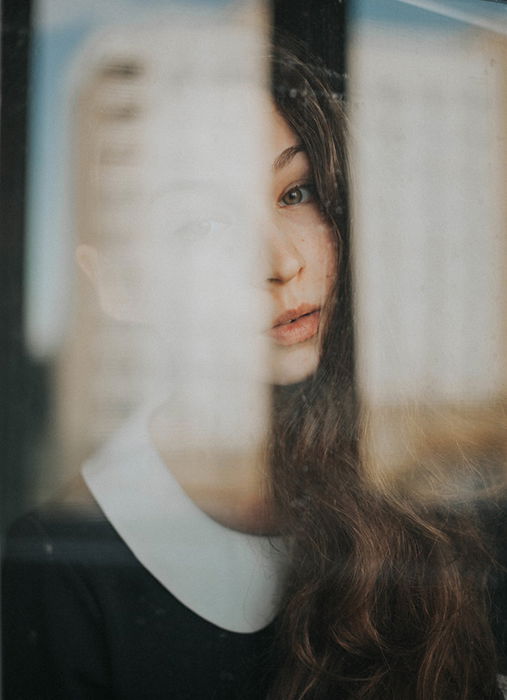
Window reflections are perfect for framing minimalist photoshoots. You can use them in 

almost any genre.

For portraits, make sure your model is standing behind a window. Take photos from different 

angles to find the best reflections. (Don’t shoot right in front of a window or else your camera 

will end up in the reflection.)

Reflections tend to be abstract and neutral in colour. This is perfect for hiding or emphasising 

certain features. This is like what you’d do with blurred foregrounds.

Portrait photo of a woman shot through a window

If you’re a landscape photographer, photograph different views reflected in a window. This 

creates a somewhat distorted and atmospheric effect.

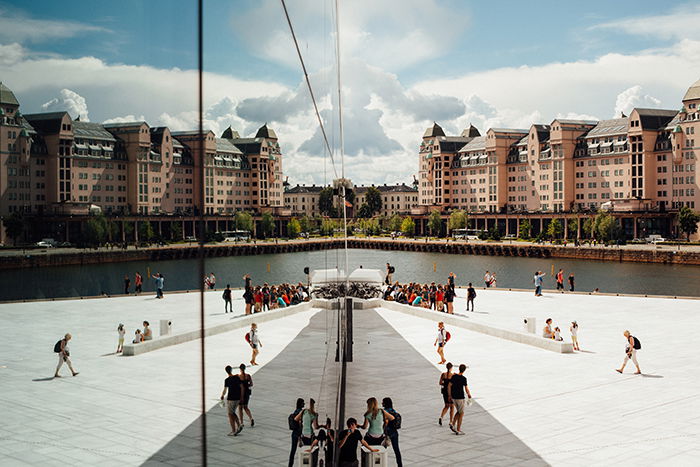
You can also combine reflections and symmetry. Try creating surreal photos like the one below.

Photo of a square and buildings reflecting on the glass walls of an office building

There are many photographic framing techniques you can use to improve your compositions. 

Frames help you create balance and highlight specific elements for the viewer.

Knowing how to frame a photo will help you turn even the simplest subjects into 

eye-catching works of art


-----------------------------------------------------------------------------------------------------

Free Photography Ebook 

Six Tips for Getting the Camera Focus in the Right Place at the Right Time – Free Quick Guide


There are numerous articles on the topic of producing sharp pictures.

You’ll often see advice on how to hold the camera or what your shutter speed should be for a given lens.

However, we noticed that there is one aspect of image sharpness and focusing that is rarely discussed, and that is the theme of this free guide.


Tuesday, January 11, 2022

 More Great Camera Deals on Ebay


My photo by Darryl Turner

In addition to blogging about photography I'm also a 35mm film camera collector.  While I'm glad to get a good deal on a camera from just about anywhere, I usually buy my film cameras on Ebay.  The prices are great! The selection is huge, and they have nearly every brand ever made.  My personal preference is for either Nikon or Minolta cameras. But I have purchased Pentax and Vivitar brand cameras as well. Here are some of my recent purchases on Ebay. 


ORDER DATE
Jan 05, 2022
ORDER NUMBER
01-08097-88300
ORDER TOTAL
US $20.10

(185243229022)

Delivered on Mon, Jan 10

Tracking number: 9405508205499015831309 This item has been delivered.

Paid on Jan 5, 2022
Shipped on 01/06/22
Feedback needed
No Feedback received
ITEM PRICE:
US $10.00
--------------------------------------------------------------------------------------------
ORDER DATE
Nov 21, 2021
ORDER NUMBER
25-07896-80165
ORDER TOTAL
US $25.00

(324777585365) 
 
Delivered on Fri, Nov 26

Tracking number: 9405508205498387765809 This item has been delivered.

Paid on Nov 21, 2021
Shipped on 11/22/21
Feedback left
Feedback received
ITEM PRICE:
US $25.00
---------------------------------------------------------------------------------------------
ORDER DATE
Nov 21, 2021
ORDER NUMBER
06-07900-80090
ORDER TOTAL
US $36.74

(313762941973)

Delivered on Fri, Nov 26

Tracking number: 9405508205497788873465 This item has been delivered.

Paid on Nov 21, 2021
Shipped on 11/22/21
Feedback left
No Feedback received
ITEM PRICE:
US $24.99
If you're wondering why there are differences in the camera price and the order total, the difference is the additional cost for shipping.  But, as you can see, even with the additional charge for shipping, the prices are still a bargain.  All of the cameras above are FILM cameras.  Ebay also has digital cameras for sale. To check them out, or just window shop, click on the link below. 

Ebay Camera Deals!