Friday, January 8, 2021


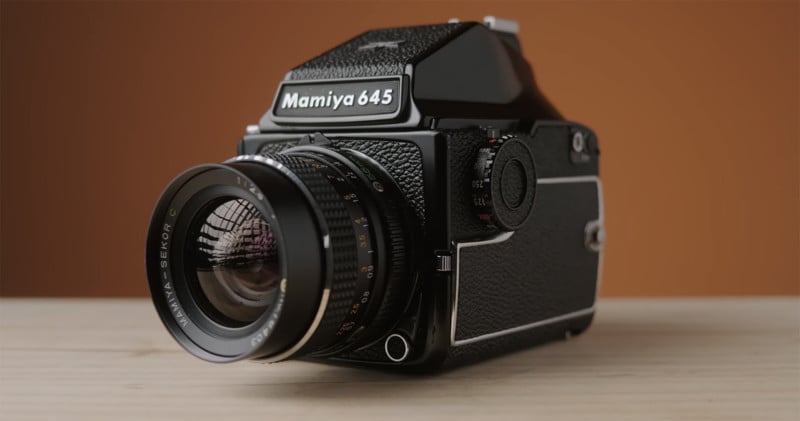
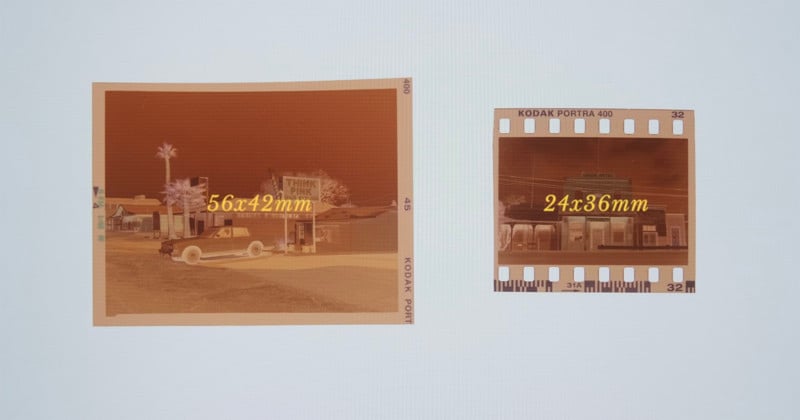
Is 645 Medium Format Film That Much Better Than 35mm?

Thursday, January 7, 2021


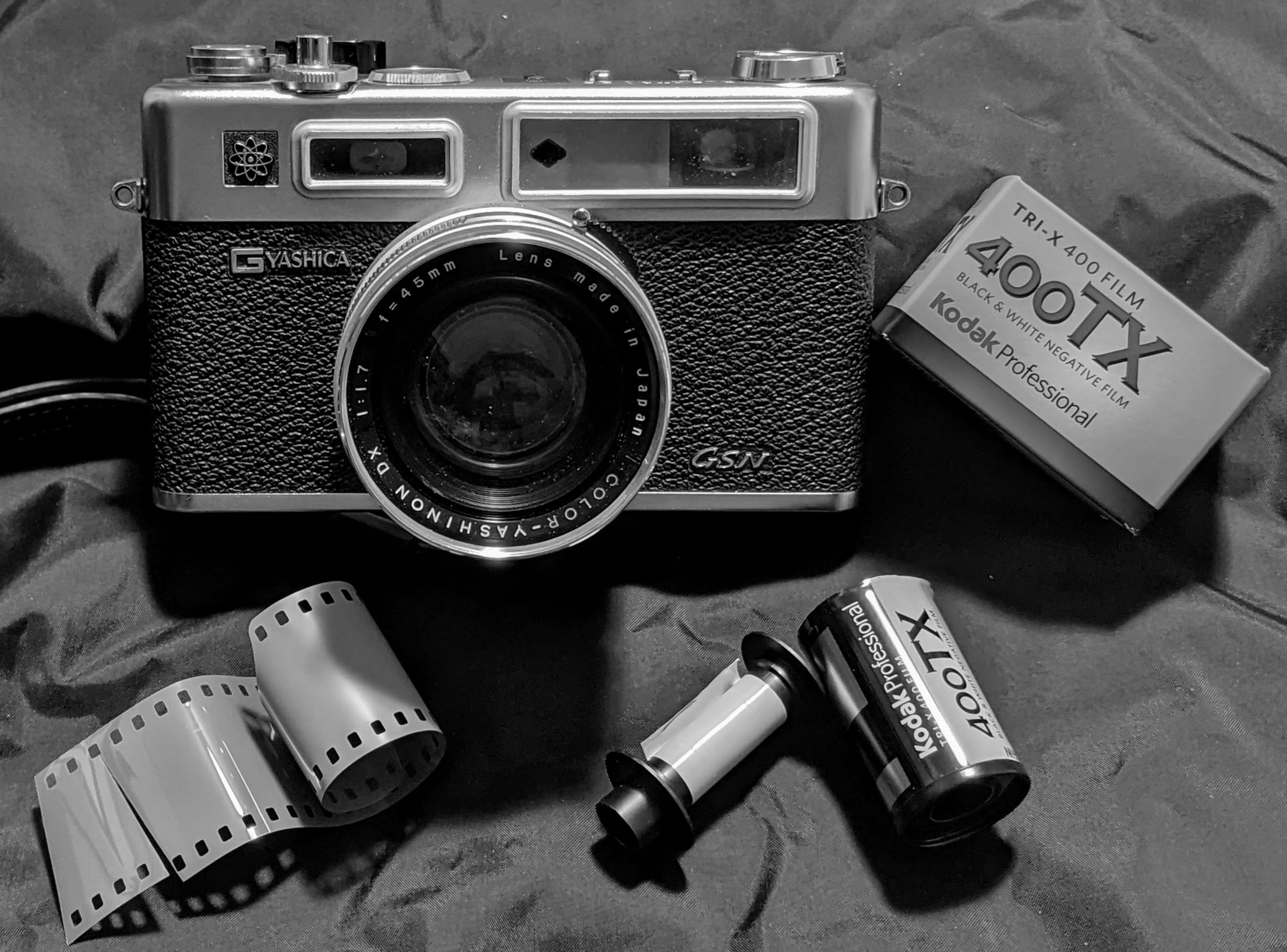
5 Frames… From a walk around Cape Pond, Massachusetts on Kodak Tri-X 400 (35mm Format / EI 400 / Yashica Electro 35 GSN)

Tags: Photography for Beginners, Kodak, Tri-X, Massachusettes 

by

Mid-November 2020 — 8 month months into the pandemic. We have to distance, but the one freedom we still can experience is a walk in the woods. Luckily, there’s a path near my home in Gloucester, Massachusetts to neighboring Rockport that is wild, wooded, and ever-changing given the season. In winter, it’s a whiteout. Spring, a marshy, muddy mess. In the summer, it’s tick and mosquito-infested, but cool, clear, and crisp in the autumn.

It’s the time to explore.


The path is only 3 miles long, filled with texture; tree bark, leaves, erratic glacier boulders, dead tree stumps, and occasional discarded objects, which are often rusted and have started to decompose and transpose into the natural landscape.

A major reservoir, Cape Pond is a serene sight for nearly half of the hour or so stroll. An occasional freshwater fisherman can be spotted, or a Lycra wearing mountain biker. But generally, it’s a quiet meandering trail, where you can enjoy your thoughts, or be on the watch for interesting rectangular vistas to capture on film. It’s the perfect length of time and variety of scenes for a roll of 36 exposure Kodak Tri-X 400.

5 Frames... From a walk around Cape Pond, Massachusetts on Kodak Tri-X 400 (35mm Format / EI 400 / Yashica Electro 35 GSN) - by Bob Harrison

I grabbed my Yashica Electro 35 GSN for a variety of reasons yesterday … there was a full roll of film in the chamber, it’s light, and I don’t need to worry about metering since I shoot it at Sunny 16 since the meter doesn’t function,. All I need to say to myself is “will I go with f/16, f/11, f/8, or f/5.6?”.

With the Electro I can walk with it securely anchored to my right wrist, tethered to its tripod mount. As soon as I see what I want (to capture), a quick swing to my eye, a fast-focus with my left thumb and forefinger, and (as long as I pre-advanced) an instant shutter release. And then, I’m back to the stroll.

Fortunately, in these days of instant photo gratification, the one-two combination of Tri-X 400 and Kodak D-76 allows me to have a strip of the exposure I just completed drying on a guy-wire strung over my bathtub. Before I go to bed that evening, my day’s 36 moments of compelling interest have been scanned (I’m a “shoot film / show and print digital” kind of person).

Were all 36 great photographs? No way. But there were 5 satisfying pictures that encapsulate the walk. Dried leaves glistening with high contrast in their monochrome representation. Almost hidden I-beams in a bed of autumn debris. The path itself, bending in a wave. The reservoir framed by a tree gone horizontal. And, a field of boulders that are only revealed because the foliage had fallen.


There were others…but these are the 5 I chose to share from yesterday’s exploration.

~ Bob

Want to submit your own 5 Frames...?

Go right ahead, submissions are open! Get your 5 frames featured on by submitting your 350+ word article by either using this Google form or by sending an email via the contact link at the top of the page.

This series is produced in conjunction with Hamish Gill's excellent 35mmc.com. Head on over to read the other half of these stories there.

Share your knowledge, story or project

At the heart of EMULSIVE is the concept of helping promote the transfer of knowledge across the film photography community. You can support this goal by contributing your thoughts, work, experiences and ideas to inspire the hundreds of thousands of people who read these pages each month. Check out the submission guide here.

If you like what you're reading you can also help this personal passion project by heading on over to the EMULSIVE Patreon page and giving as little as a dollar a month. There's also print and apparel over at Society 6, currently showcasing over two dozen t-shirt designs and over a dozen unique photographs available for purchase.   Share this article


----------------------------------------------------------------------------------------------------------------------

PHOTOGRAPHY FREEBIE:

How to make money with your Photography even if you're not a Pro.

Copy & paste this link into your browser, click ENTER, and enjoy: 

https://mrdarrylt.blogspot.com/2020/01/how-to-make-500-month-from-your.html

                                                         or

https://www.photography-jobs.net/?hop=darryl54

 ----------------------------------------------------------------------------------------------------------------------

Visit me on Facebook and post your pictures.

https://www.facebook.com/Darryl-T-363867387724297/ 
 

Tuesday, January 5, 2021


Civil rights photographer Tom Lankford dies of COVID-19

Civil rights photographer Tom Lankford dies

As a reporter and photographer, Tom Lankford covered many of the important events of the civil rights movement in the 1960s in Alabama, taking pictures of Dr. Martin Luther King Jr. preaching in Birmingham in 1960 and future U.S. Rep. John Lewis leading marchers across the Edmund Pettus Bridge in Selma on "Bloody Sunday" in 1965. (Photo by Dawn Bowling)


A former Birmingham News photographer, nationally honored for documenting the civil rights movement, has died.

Tom Lankford died on Dec. 31, 2020, of COVID-19, pneumonia and heart failure, said his daughter, Dawn Bowling. He was 85.

When U.S. Rep. John Lewis died last year, Lankford’s photos of Lewis leading marchers across the Edmund Pettus Bridge in 1965 were among the most widely republished photos of Lewis. Lankford took pictures of the “Bloody Sunday” beatings of Lewis and other marchers in Selma on March 7, 1965.

In 2009, the Anti-Defamation League honored 12 former Birmingham News photographers including Lankford in the Concert Against Hate at the John F. Kennedy Center for the Performing Arts in Washington, D.C., with actor Liev Schreiber as master of ceremonies.

Among Lankford’s many historic black-and-white photos are several of Dr. Martin Luther King Jr. speaking at Men’s Day at New Pilgrim Baptist Church in Birmingham on March 6, 1960. King had recently resigned as pastor of Dexter Avenue Baptist Church in Montgomery, where he led the Montgomery Bus Boycott, to spend more time on civil rights activism.

Tom Lankford captured civil rights history

The Rev. Martin Luther King Jr. speaks at Men’s Day at New Pilgrim Baptist Church in Birmingham on March 6, 1960. King had recently resigned as pastor of Dexter Avenue Baptist Church in Montgomery, where he led the Montgomery Bus Boycott, to spend more time on civil rights activism. (Photo by Tom Lankford/The Birmingham News/File)Alabama Media Group

As both a reporter and photographer for the Birmingham News, Lankford covered attacks on the Freedom Riders in 1961, the marches led by King and the Rev. Fred Shuttlesworth in Birmingham in the spring of 1963, the bombing of the Sixteenth Street Baptist Church on Sept. 15, 1963, the marches in Selma in 1965 and other civil rights events throughout the 1960s. Lankford reported on the final arrest of King in Birmingham on Oct. 30, 1967, when Major David Orange and Lt. Dan Jordan of the Jefferson County Sheriff’s Office arrested him at the Birmingham airport on an outstanding warrant and took him to the Bessemer jail.

Lankford graduated from Hokes Bluff High School in 1953, then earned bachelor’s and master’s degrees in journalism from the University of Alabama, where he was editor-in-chief of the student newspaper, The Crimson White, in 1958. He began working for The Birmingham News in 1959.

After covering the civil rights movement from Birmingham throughout the 1960s, Lankford later served as editor of the Huntsville News until 1977.

“That man was present for almost all the historical civil rights events,” said former Birmingham Police officer Teresa Thorne, author of the upcoming civil rights history, “Behind the Magic Curtain: Secrets, Spies, and Unsung White Allies of Birmingham’s Civil Rights Days,” set to be published April 20.

Lankford shared his experiences with Thorne for her book, including his controversial role as a “spy” for the Birmingham Police Department, recording civil rights meetings, wire-tapping King’s phone at the Gaston Motel and sharing intelligence with police.

“He was embedded with the police department,” Thorne said. “By his own admission, he became too involved and too close for an objective journalist. He did not regret it one bit.”

Although he was at times used by Birmingham Public Safety Commissioner Eugene “Bull” Connor, Lankford also did a secret recording of Connor in 1962 that helped defeat Connor and led to a new mayor-council form of government in 1963, Thorne said.

“He got wind of a meeting in the fireman’s union hall across from city hall,” Thorne said. “That was the famous meeting where they promised a pay raise to the firemen. He recorded it. It was used by people supporting a change to a mayor-council government.”

Earlier, he took a photo of former district attorney Tom King shaking hands with a Black man that was used as campaign propaganda by segregationist Art Hanes, who used it to help win the mayor’s race against King in 1961.

When events unfolded, Lankford always seemed to be there.

“For him, it wasn’t about playing politics, it was about getting the story,” Thorne said. “He did that by means we wouldn’t hold up as objective journalistic methods.”

Lankford once pretended to be a student at the University of Mississippi to get the first photograph of James Meredith, the first Black student at Ole Miss, sitting in class in 1962, Thorne said.

Lankford was threatened with violence by the Ku Klux Klan after a mob beat up Freedom Riders in 1961 at the Trailways bus station in Birmingham. They dragged him into an alley and demanded the film from his camera, which he gave up. But Lankford then went to Carraway Hospital and took what became famous pictures of Freedom Rider Jim Peck, one of those beaten up at the bus station, Thorne said.

“He had a lot of respect for Martin Luther King Jr. and Fred Shuttlesworth,” Thorne said. “He admired their courage. He was on a friendly basis with them.”

Few people had such access to both civil rights leaders and the inner workings of the police department that enforced segregation.

“It wasn’t that he believed in Connor’s racism,” Thorne said. “He did it for the purpose of getting a story and having access.”

Bowling, one of his two daughters, said her father cultivated close friendships with law enforcement officers “so he would always have the relationship he needed,” to get a story or picture.

“Daddy had very close ties with the police department, state troopers, the sheriff’s department and the FBI,” Bowling said. “One of his best friends was Sheriff Mel Bailey,” who was sheriff of Jefferson County from 1963-1996.

In the end, Lankford got pictures that became an important part of the historical record.

“He was a complex man, and it was a complex time,” Thorne said.

After his newspaper career, Lankford worked in public relations for the Parson/Gilbane Joint Venture and Dravo Utility Constructors, then Saudi Arabian Parsons Limited, as a liaison with the Saudi Royal Commission during construction of the city of Yanbu. He worked for the Saudi Royal Commission from 1987-99.

He lived from 1981-1999 in Saudi Arabia, and sometimes made presentations to Saudi princes in the desert under tents on Persian rugs set on the sand, said Bowling.

He returned to Hokes Bluff and began gardening, but then decided he wanted to be a cross-country truck driver, Bowling said. He and his wife of 35 years, Tan, whom he had met in Thailand, both got certified as commercial truck drivers. After several years of driving 18-wheelers from Alabama to California, with his wife and their golden retriever, he had a heart attack in 2008 near the U.S.-Mexico border.

He gave up truck driving, but in recent years had become a greeter at the Sam’s in Oxford. He always wore a tie and dress shoes, as he had during his newspaper days, and struck up conversations with customers coming into the store.

He gave up his Sam’s greeter job in March 2020 when coronavirus lockdowns began. “He was a dapper dresser, always wearing a tie,” said Bowling. She recalled that when her parents divorced in the early 1960s, Lankford would pick up her and her sister, Carrie, for the weekend and take them with him as he worked.

“He was very tall, had these long legs, walked really fast, and he always had a camera on his shoulder,” she said.

She recalled one time he had taken pictures of the Ku Klux Klan at a meeting, and asked them to take their hoods off. “He stood on the back of a pickup truck and they posed for him with their masks off,” she said. “Then they changed their mind. They came to the house and demanded Daddy’s camera. They searched the house and found it in the crawl space. They tore up his camera and took his film.”

See the obituary here.

Hosea Williams and John Lewis, front right, lead marchers across the Edmund Pettus Bridge in Selma, Alabama, on Bloody Sunday.

Albert Turner and Bob Mants are walking directly behind Williams and Lewis. (Photo by Tom Lankford/The Birmingham News/File)Alabama Media Group

Share this article.


------------------------------------------------------------------------------------------------------------------------------

PHOTOGRAPHY FREEBIE:

How to make money with your Photography even if you're not a Pro.

Copy & paste this link into your browser, click ENTER, and enjoy: 

https://mrdarrylt.blogspot.com/2020/01/how-to-make-500-month-from-your.html

                                                         or

https://www.photography-jobs.net/?hop=darryl54

 -----------------------------------------------------------------------------------------------------------------------------

Visit me on Facebook and post your pictures.

https://www.facebook.com/Darryl-T-363867387724297/ 


Sunday, January 3, 2021

What a New, Budget-Friendly Leica M 35mm Camera Might Be Like


Saturday, January 2, 2021


Photographer recreates 20th century scenes from model cars

Do you enjoy vintage photos from the mid-20th century? Photographer Michael Paul Smith has a vast collection of such photographs. They show the world as it was from the 1920s to 1960s – but they were all made using model cars and model buildings he makes himself. His photos are so masterfully done, you would never say those cars and houses aren’t real.


Michael uses model cars and builds model houses to recreate the scenes from a fictional place Elgin Park. It all started as an exercise in model-making and photography, but it turned into a very successful project. Elgin Park project was also a way for Michael to deal with hard times. But it doesn’t only represent Michael’s fantasy. In a way, he is documenting the 20th century and recreates the scenes from the past. They are based mainly on his childhood memories, but also on the stories he has heard.

He has a collection of diecast cars, which at some point amounted to over 300. This made Michael start creating model buildings to give these cars some context. At the same time, he learned how to use a digital camera and a computer, so everything came together perfectly. He was able to make, photograph, edit and publish his work. And all of this started when he was fifty years old.

As you can see, the photos look really life-like. Michael photographs car and building models and uses various props to make the scenes look more realistic. And as for the gear, he’s minimalistic about it and uses only a point and shoot camera. Another interesting fact is – there is no Photoshop. There is some color editing, but no manipulation – all the photos were made from a single shot.

Michael says he has always loved to draw, build stuff and make up stories. Throughout his life, many interesting jobs came his way. He worked in advertising, designed museum displays, illustrated text books, hung wallpapers and made architectural models. He was even a mailman and a bartender. He says you can learn something from everything you do, and you will use it later on in life. And his work definitely brings together some of the skills he learned at his numerous jobs.

At first, Michael was uncomfortable with showing his work, as his hobby could have been seen as odd. It was years before he first published something online. He posted his work on Flickr for the first time in 2008, and a huge wave of interest occurred. His work got published in a British car magazine, and it had a huge response both there and online. Michael says he didn’t see this coming. As he is a bit shy, and so he has been since childhood, the recognition he receives is still a bit strange and difficult for him. But in my opinion, he deserves to be recognized.

Michael’s work brings out memories and emotions in people. It reminds them of their childhood or of certain situations they had. And in a way, it’s a recreation of his past, too. Here are more photos from Elgin Park project:


Share this article.


------------------------------------------------------------------------------------------------------------------------------

PHOTOGRAPHY FREEBIE:

How to make money with your Photography even if you're not a Pro.

Copy & paste this link into your browser, click ENTER, and enjoy: 

https://mrdarrylt.blogspot.com/2020/01/how-to-make-500-month-from-your.html

                                                         or

https://www.photography-jobs.net/?hop=darryl54

 -----------------------------------------------------------------------------------------------------------------------------

Visit me on Facebook and post your pictures.

https://www.facebook.com/Darryl-T-363867387724297/ 


Wednesday, December 30, 2020


7 Tips for Photographing Senior Citizens

Tags: Photography for Beginners, Elderly, Photography
 
by David Peterson

You've probably seen all the articles on tips for photographing kids and teens. They're popular lens candy due to their smooth skin and expressive faces. But, senior citizens bring a totally different character to the lens that shouldn't be dismissed.

Kids tend to live in a state of wonder where seniors live in a state of wisdom. Life experience has given them that right. As a photographer, it's an ideal opportunity to capture that wisdom in their expressions, their wrinkles, and in their energy. Whether posed or candid, pulling those decades of experiences to the surface and through the lens is an art in and of itself.

In honor of the elderly generation, I'm providing 7 tips for photographing them.


In most cases, those who are elderly now have images of themselves as children that are black and white or sepia tone. They've either chosen to adapt to technology or they haven't. But, since you're the photographer, it's up to you to break down that barrier of potential fear of technology and make them forget there's even a lens.

Posed vs Casual Shots

Part of capturing seniors is tapping into their character. The best way to do this is through candid shots. Candid photos are always more natural and often more expressive. However, as seniors, they've probably had their photo taken hundreds or more times over the years, so it may feel quite natural to them to pose and still give you a great facial expression or gesture. Usually when someone sees a lens, they become camera shy or self-conscious. But with the wisdom of seniors comes an air of confidence.

If you do have a somewhat shy subject, and even if they're not, engage them in a conversation about their childhood. There's often no better way to brighten the face and eyes of an elderly person than to ask them about their childhood. While they're talking, you will be guaranteed the chance the capture some great expressions.

Bring in the Family

The blend of old and young is intriguing. If the people you're photographing have grandchildren, see if you can involve them in an activity together. This should open up the lens of opportunity to some great candid shots. You can certainly have them pose for more formal portraits as well. If you can get a multi-generational shot, that will be one for their records and photo albums.

Photograph Them In Action

The elderly these days are still extremely active and youthful. Go to a park or a coffee shop or an outside mall and observe them in action. You may be surprised by what you see, and could end up with some good street photography that involves seniors. There are senior leagues for different sports that would be worth stopping by. Or even better, many of the umpires for little leagues are retirees who do it because they love the sport and being around kids. The photo below is a great example.


Use Natural Light

No matter what portraits you shoot, it's always a good idea to avoid using a flash. For one thing, a flash is a big distraction to the subject. It can jar them and almost always ends up ruining the moment.

Studio lights are a good second option to natural light, since they are a constant light source. And soft, diffused lighting is a nice touch for the glowing skin of old people. Occasionally, a strong side light (natural or studio) and high contrast is effective for bringing out the details in their faces. Take your time to experiment with side-lighting, especially that of a window, and edge lighting to add drama to your images and details, even in the wrinkles!

Fill The Frame

Filling the frame is also an effective way to shoot portraits. By being up close and personal, you can capture the fine details like facial expressions, wrinkles, the ruggedness of hands, the sparkle in their eyes, and the depth and wisdom conveyed.

Note that just because wrinkles and age marks can add character, play around and try using a soft focus filter to help you smooth out the harsh details. The women will especially appreciate this.

Shoot In Color and Black and White

Mix and match your images in both color and black and white (which you can do in post processing). Even though shooting in color is known to be effective for creating mood and communicating the emotions, black and white can add a timeless and simpler impression. Some color images can be too busy, so black and white works well at toning that down and allowing the subject to stand out more. You can play with contrast and even color adjustments in black and white mode to enhance certain aspects till you achieve your ideal image.

Add Image Effects

While you're in Photoshop Elements or Adobe Lightroom (or whichever program you use), try some of the built in features such as sepia tone, nostalgic retro or an old classic vintage look to add dimension. The purpose of these effects is to revive a sense of history that your subject comes from in the first place. Play around with the filters and adjustments until you get the look and feel that best compliments your subject’s expression and the mood of the image.

If you need seniors to photograph, go where they are... parks, senior centers, and even places like aquatic classes! Think outside the box and you'll be sure to have a nice collection of senior portraits.


------------------------------------------------------------------------------------------------------------------------------

PHOTOGRAPHY FREEBIE:

How to make money with your Photography even if you're not a Pro.

Copy & paste this link into your browser, click ENTER, and enjoy: 

https://mrdarrylt.blogspot.com/2020/01/how-to-make-500-month-from-your.html

                                                         or

https://www.photography-jobs.net/?hop=darryl54

 -----------------------------------------------------------------------------------------------------------------------------

Visit me on Facebook and post your pictures.

https://www.facebook.com/Darryl-T-363867387724297/ 


Photos of Old People


 by Ben The Man


Taking the time to talk with them and building a relationship will help your subject relax. You will get more natural expressions with photos of old people and young people for that matter when they know you have an interest in them as a person and not just an old picture.

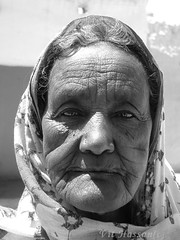
Pictures of the elderly often have more of an historical feel when they are shown as black and white.


In this black and white photo taken by Vit Hassan, this old woman's expression reveals a part of her character.

The strong overhead lighting creates some shadow in her eyes, adding a bit of mystery to the photo.

Studying pictures of the elderly makes me appreciate the amazing diversity of human beings on our planet.

Often, our senior citizens provoke us to take a long term perspective that we would not normally consider in our day to day hustle and bustle.


-Old woman-

Use good photo lighting to bring out the characteristics rather than to hide them. These first two photos are close up head shots. Including the environment where the portrait was taken can change the emotional impact of your photograph. 

Another is the thought that we have worked together to create an artistic rendering that will be cherished for years to come.

Make good use of the tips on taking digital photography in the articles elsewhere on this web site, such as photo composition, photo lighting, and avoiding photo mistakes.

Apply them to taking great photos of old people and make sure you have fun doing it. Life is too short not to enjoy whatever activity you are doing.  Share this article.


Monday, December 28, 2020


Seniors and cameras: Time for New Learning

   By Steven Hoffman

For seniors like me, the photography we grew up with changed dramatically about 20 years ago with the arrival of digital cameras.

Looking back to earlier times, it was like this: we bought a roll of film, placed it in our camera, hooked the tag to the advancer, closed the case and shot 12, maybe 24 or more, scenes. 

We took the spent film roll to the drug store, and in a few days returned to pay for the prints we had taken and a handful of dark negatives.

We hoped at the time they would be good, because when we shot scenes, we had no way to check. If they were bad, it was money lost.

Fast forward to the 21st century: We can see immediately what we shot, the images are free, and we can even take pictures with the new toys—our phones.

Still, for folks in their sixties and seventies, most of us still have remnants of those old habits hanging around and weighing heavily on our minds: Film, disposable flash bulbs and picking up prints at the drugstore.

Perhaps that is why, about 15 years ago, Andrea Durynski, who was then the Kennett Area Senior Center program coordinator, asked me to establish a photo club to help the members to adopt new skills. She tapped me not only because I had aged with the rest of her flock, but because, in my capacity as a newspaper editor, I had been forced to keep up with the changes in photography. 

My attitude helped as well. From my standpoint, I see most humans – no matter what their tools, age, or learning -- as natural photojournalists whether they are professional or not. The only qualification for the class I established was that they have a camera (or phone with camera capabilities), however humble. There was no need for a big SLR camera that cost thousands of dollars. 

With that invitation at the center, about seven or eight people joined, and thus began this more-than-decade-long adventure with cameras, pictures and shows.

Initially, I thought my task was to teach the members – pedantically – how to frame a shot, upload it to the computer and then adjust it with Photoshop.

I was wrong, because initially I failed to listen to their wants and needs: to capture a lovely sunset; to record a family gathering; and to memorialize the great features of last summer’s vacation. These seniors were happy that their cell phones could take pictures, and they had little interest in the fine points of elite photo correction programs, settings and expensive accoutrements. 

I came to realize that my task for them essentially involved three things: 

~ They needed to get the feel of the new cameras and know how to use them as their personal tools;

~ They had to open their minds to the vast array of subjects that would be fun to photograph;

~ They needed to expand their self-confidence and realize that photography is not an elite, expensive, or exclusive dalliance. The fact is, the minute they click on a scene, they are real photographers.

First of all, the tool: The cameras of today are not the cameras of yesteryear. There are buttons and accessories that bear little, if any, resemblance to the old days, and most of the point-and-shoot cameras are not much bigger than a can of sardines. Some are so amazing, however, that you can send an image to another person’s phone as soon as you shoot the picture.

We had to sit around and play with their cameras and the buttons. Everyone needed to see what happens, for instance, when they tap a button once, then again a couple times. They needed to see where you grip that little slider helps you zoom in or out. 

Unlike the cameras of the old days, the new cameras give no tactile feedback to the shooter about what is going on, so it must be learned.

“How do I turn the flash off and on? Which button activates the video? Can I keep it in a hot car over vacation?”

For example, one member, Carmela Contro, had a camera that apparently had a mind of its own and continued to switch from single photo to video without being prompted. She kept bringing in what she hoped were pictures, but they turned out to be movies. We called it “The Devil Camera” and finally told her to get rid of it.

Another issue was batteries. All of us at one time or another failed to keep the batteries charged and we show up missing shots the next day. The new habit they needed was setting those batteries in a charging block each night so they were ready for what would come tomorrow.

There was also the issue of all those little pieces of hardware. With the purchase of a new camera came little accessories (or needs for them), like flash drives, memory cards, tiny batteries and card readers. It was a daunting challenge to remember all those things, so we sat around, talked about them, had them in our hands and played with them over and over again until they were our friends.

My second challenge was opening our photographers to the multitude of subjects they could shoot and the angles they could shoot from – expanding their minds. 

Everyone likes to shoot a beautiful sunset and a rainbow, but in reality, just about everything is fair game.

Arlene Kolowski was intent on shooting an artsy picture of a covered bridge from a hundred feet away. Growing weary of that, she returned to her car and, as they drove through, took one more shot from the inside with her phone camera.

It was exquisite.

Contro, a passionate cook, happened to take a shot of her Thanksgiving turkey and warming Italian bread loaf in the oven. The picture was so compelling you could almost smell the dinner.

Bob Cossaboon happened to have his camera with him as he was walking up the steps at home. His dog was reclined at the top of the stairway. He took a shot when he was about four steps down from the dog. In effect he created a shot that captured the dog’s stare head-on because the camera and the dog’s eyes were on the same level.

Mary Webb had just taken her Thanksgiving turkey out of the oven and was letting it rest on the counter. There on the floor, looking up and salivating was her dog, Bobby. Quickly she grabbed her camera and caught the scene. It turned out to be a compelling shot of canine appetite.

You never know what’s going to turn out to be fantastic.

In that regard, we had to keep pursuing activities that offered more possibilities for fun shooting: 

Among other things:

We went to Longwood Gardens for flowers in the spring. We went to the park for autumn leaves in the fall. We photographed portraits of all the members of the senior center at Christmastime. We took Christmassy pictures and turned them into cards and ornaments, among other things.

My third task was to convince members of the class what I believe about anyone taking pictures: They are, indeed, photojournalists, from the ancient record-keeping petroglyphs of to the hot shot media shooters of the networks. The mere fact that they hold up their tool to a scene, push a button and want to share the image with others qualifies them for the title.

I was not surprised that when they came to the club with inexpensive point-and-shoots, they were in awe of professionals who had thousands of dollars in heavy camera gear. I told them they could aspire to that and the investments if they really wanted to, but it was not necessary. 

Even as the ancients carved their historical impressions on rocks for future generations to partake, my class members were similarly using their tools to record events for those who come after, or even to remind themselves of the beauty and excitement they were experiencing now.

For six years now, we have displayed the best of what we have on the wall at The Market at Liberty Place in Kennett Square, courtesy of owners Larry and Geoff Bosley. Each year, even in this horrific year of 2020, as we behold our work, we exhale a breath of satisfaction.  

Share this article.


------------------------------------------------------------------------------------------------------------------------------

PHOTOGRAPHY FREEBIE:

How to make money with your Photography even if you're not a Pro.

Copy & paste this link into your browser, click ENTER, and enjoy: 

https://mrdarrylt.blogspot.com/2020/01/how-to-make-500-month-from-your.html

                                                         or

https://www.photography-jobs.net/?hop=darryl54

 -----------------------------------------------------------------------------------------------------------------------------

Visit me on Facebook and post your pictures.

https://www.facebook.com/Darryl-T-363867387724297/ 
Sunday, December 27, 2020

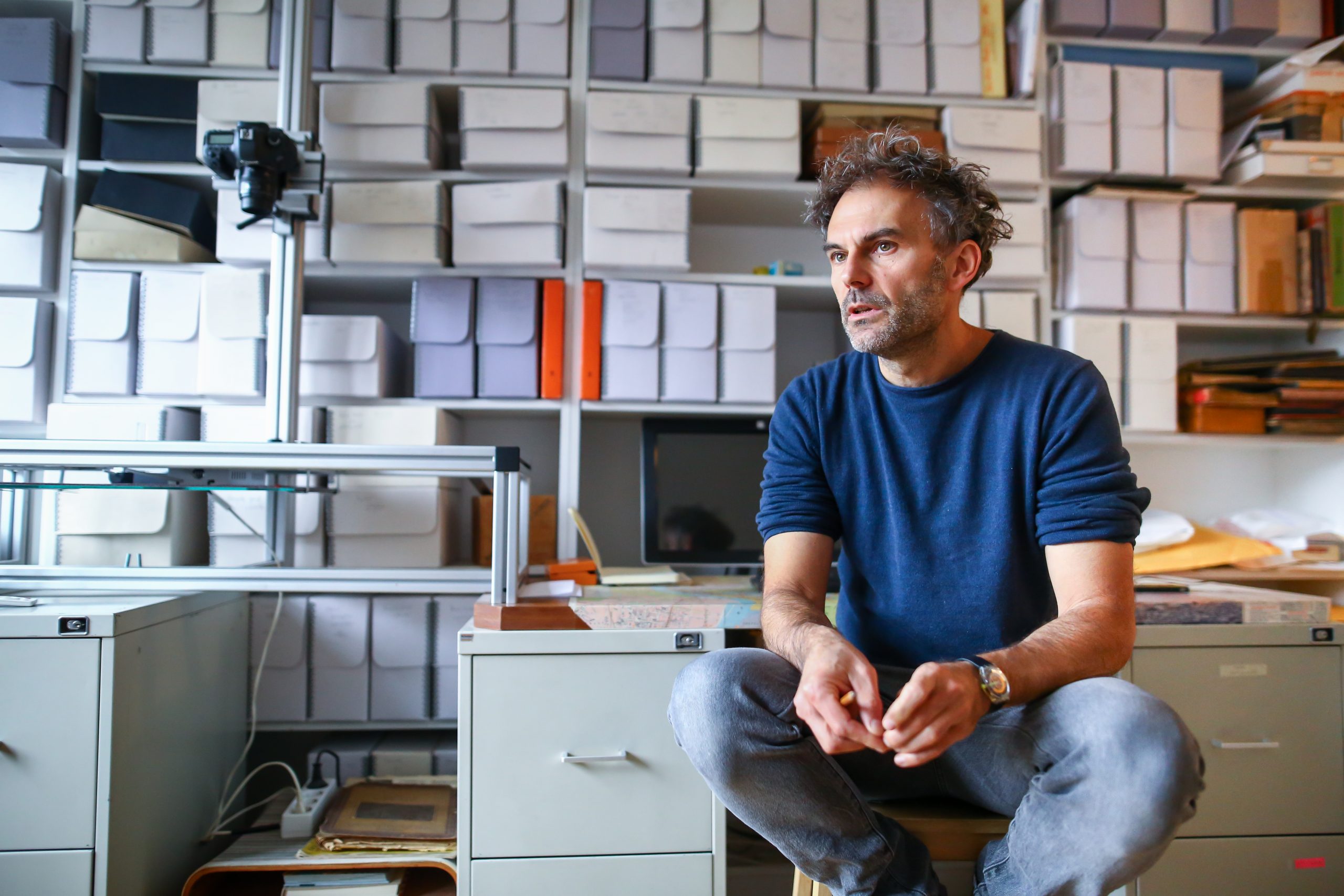
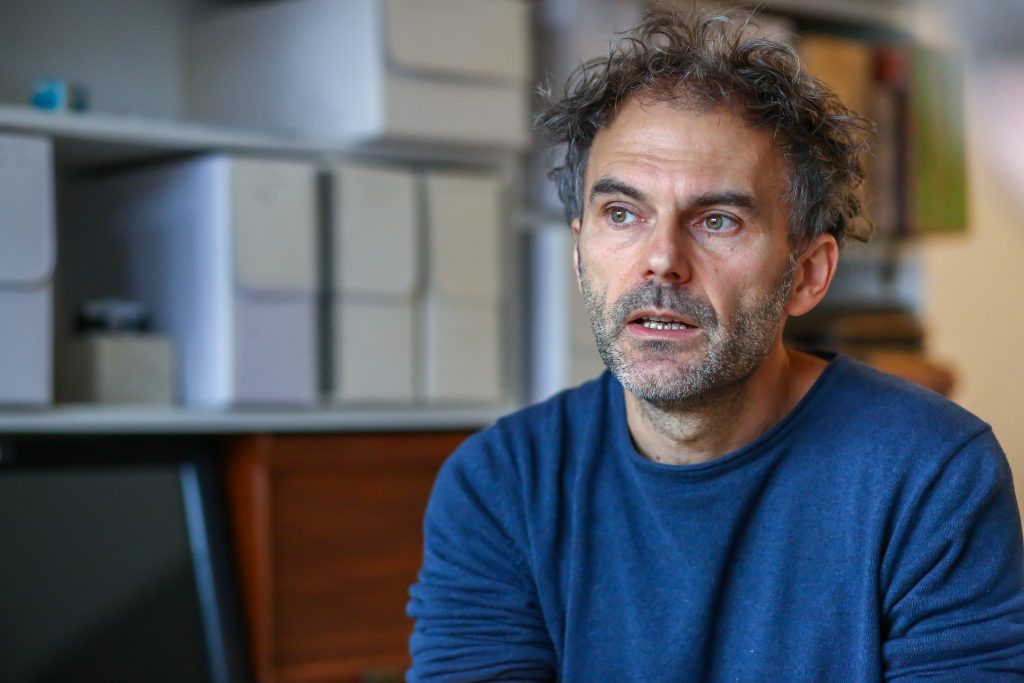
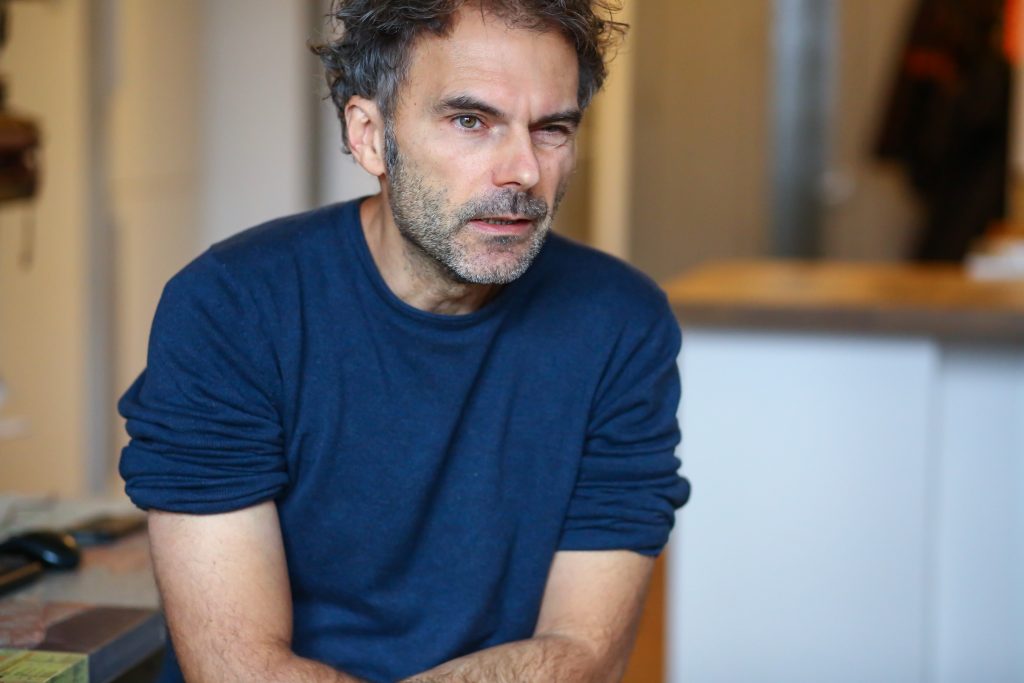
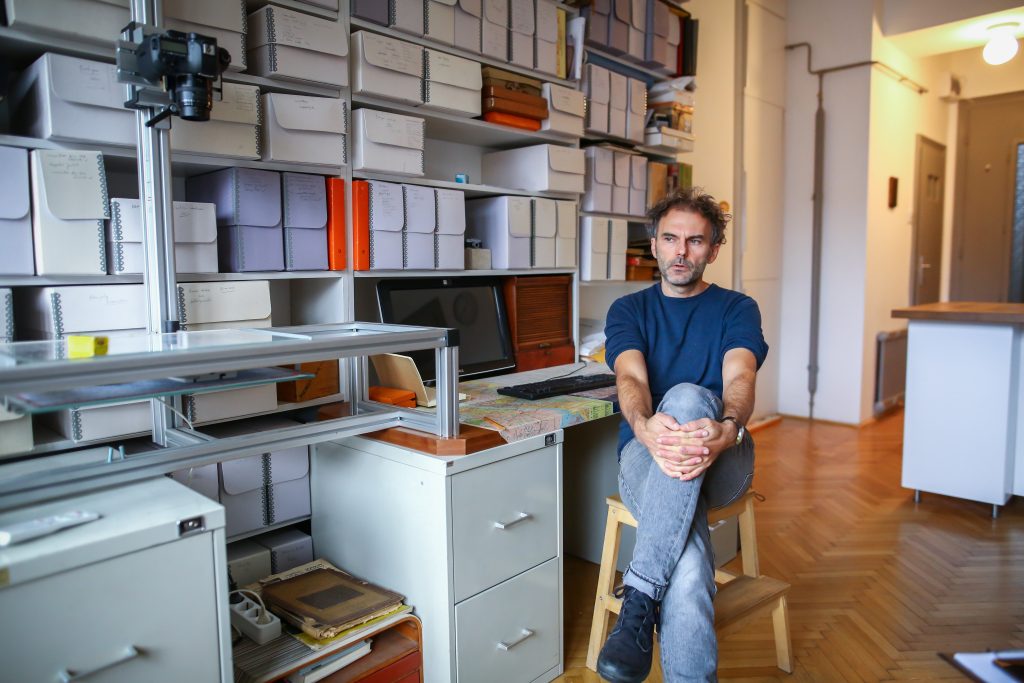
“I Hunt for Photos Where the Photographer Captured Their Own World” – Interview with Fortepan Founder Miklós Tamási

Tags: Photography for Beginners, Photo Collection, Photo Archive

Since its 2010 launch, Fortepan has slowly become Hungary’s most popular photo archive. 

The creator of the project, Miklós Tamási, launched the photo collection to document 

what everyday life was like in Hungary from the end of the 19th century until the 

democratic political transition in 1990. Today, there are not many people in Hungary 

who have never stumbled upon content from the online archive as dozens of articles 

and photo galleries are illustrated with pictures from here each and every day.

– Today Fortepan is the most widely-known and used photo archive in Hungary. 

There is almost no newspaper reader or internet user who has not come across 

photos from here. What is the key to its success, and how is this archive different from any other?

-For Fortepan to become such a popular and frequently used website, it needed pretty much two things. First, it is a free photo collection, so the images found here are free to download and publish. This is a huge contrast compared to any other photo archive. The other is that it is an assorted collection. Considering the usual practice of museums and archives, it is quite exceptional for someone – in the case of Fortepan, me – to point to a picture and say this photo is important and the other is not. But I do think this is unavoidable in today’s world due to the flood of pictures on the internet. You have to somehow draw people’s attention to the photos that are worth it. Sometimes, of course, you stumble upon pictures that are not particularly exciting, but culturally and historically still important.

Photo: Attila Lambert/Hungary Today

-Is there a period of the 20th century that you always found particularly interesting?

The history of the Hungarian Revolution of 1956 has fascinated me since I was a student. It was a completely unspoken story in the mid-80s, while the revolution affected most of Hungarian society at the time in some way. I deliberately went to people who were part of the revolution to collect photos from them. From the time period of the revolution – today we already know – that thousands of photos have survived. Strangely, we know the least about October 23rd, the day the uprising started, as I guess on that Tuesday, people didn’t go to work with a camera in their hands. But there are darker days of Hungary’s 20th century history, where unfortunately there is no chance that we could come across any pictures.

For example?

There are many among the horrors of communism. For example, we don’t know of any pictures about the most significant Hungarian labor camp, Recsk. Similarly, the photos capturing the operation of the Hungarian secret service from 1949 to 1989 are incomplete, and we barely have any pictures of the organization. But the most incomprehensible black spot in the 20th century history of Hungarian photography is the Holocaust. While the terror committed against Jewish people affected Hungary’s every village, town, and city, really society as a whole, even the farmlands, in comparison, we have a shockingly small amount of pictures of the ghettoization and deportation of Jews.

Photo: Attila Lambert/Hungary Today

-At the time Fortepan was born in 2010, 5,000 pictures were available; today that number exceeds 134,000. Could you have imagined at the beginning that the collection would grow so large?

The interest in archive photos (for some people the passion) could already be felt at the very beginning. But I would never have imagined that one day I’d be able to stand on my own two feet and get paid for the work I do at Fortepan. Around 10-15,000 pictures are uploaded to the website every year, mostly from family albums and negatives from private individuals. The only format we don’t deal with is the tourist slide strip. Lately, a lot of people have started throwing these out but we don’t have the capacity to process them. Unfortunately, our collection is strongly Budapest-centric, but we are trying to change that. It would be nice to get bequests for processing from other parts of the country or across the border. But it would be at least as important to show the foreign life of Hungarians who were forced to emigrate after 1956.

The name Fortepan comes from one of Hungary’s most popular photographic raw materials in the 20th century – the negative of the Forte photo factory in Vác that closed permanently in 2007. Right before the start of the archive in 2010, Miklós Tamási was searching for a name that sounded good even internationally, had no accent marks in it, and somewhat referred to the history of Hungary’s photography. The word Forte seemed a bit lacking, but he found Fortepan to be the perfect fit.

-The photo archive already set the time limits for the collection right from the beginning. What is the reason that only 20th century images appear on Fortepan? Why were the year limits drawn where they were?

The starting date is 1900, but some pictures from the end of the 19th century do appear on the site. The first decades of photography were studio portraits. Due to technical limitations, someone taking photos on the street rarely ever happened. Photographers started stepping outside onto the street since the 1890s but such pictures rarely make it to us. That’s why we chose the year 1900 as the starting point.
The end date of the collection is 1990, the time of Hungary’s political transition to democracy. This year was the last moment in Hungary that can be considered historic. Hungary has moved from state socialism to a civil democracy, which is perfectly reflected in the photos as well. We talk about not only an aesthetic, material, or political change, but a change in public life as well.

Photo: Attila Lambert/Hungary Today

-How do the images reflect this?

– Commercial capitalism has also stepped into photography with its brashness, replacing the stifled, seemingly timeless socialism.

The origin story of Fortepan begins with a teenager, who during the stifling Kádár regime in the mid-eighties, wanted to bring back Hungary’s civic past seen in films and photos. Hence, Tamási decided to visit garbage bins to collect old photos- an old habit he still does to this day. Later in 1999, he started working at the Central European University’s gallery, mostly on history exhibitions. The photos shown there represented a heavily edited viewpoint, typical for the world of press photos. Tamási felt the increasing urge to present the other side of this world: the reality seen through the lens of the family camera. He decided to create his own online photo archive in 2009, which finally kicked off ten years ago in 2010. This year, Fortepan even received the prestigious ’Pro Urbe Budapest’ award for its uniqe archival of recent memory, value creation, and community building work.

– If you look at the photos in chronological order, can you notice any change over the decades? What is the difference between them as we move forward in time?

20th century photography is partly a matter of technical history. From the 1930s with the spread of compact film cameras, photography became easier and cheaper. Amateur photography lived its first revolution during this period. With a lot of people starting to take photos, completely uninteresting images were getting created in large quantities. I hunt for photos where the photographer wanted to capture their own world, not made for order, only for himself. The personal, even dramatic, grotesque, or sociographic photos are the ones that resonate with me.

Photo: Attila Lambert/Hungary Today

-Do the photos of past times have an edge over today’s?

Analog film photography disappeared at the turn of the millennium with digital photography replacing it. Negatives, or photo albums, were objects that were kept as keepsakes by families. Today, we store photos in data format, on the internet, which makes it much easier to lose. I fear that we will have far fewer images of the 21st century. In addition, due to our privacy concerns, the traditional street photo, for example, is disappearing. Unfounded fears have been built into us about the use of photos. We might even reach a point where we will barely be able to show anything about the everyday life of today’s Hungary, only the press photos and the usually artificial images taken for social media. Those who decide to create a “21st Century Fortepan” will have a difficult task ahead. It will not be easy to collect photos about the everyday life of today that are legally appropriate, qualitatively decent, or even interesting, honest pictures.

-What are your future plans?

Our big plan for the next year is to develop a location-specific sightseeing and photography app called ForteGo.

While walking on the street, you can essentially browse archive photos on your phone taken nearby and use the app to re-photograph the archive locations. If all goes well, it will be possible to try ForteGo for the first time in Veszprém in the summer of 2021.  Share this article.