Sunday, January 12, 2020

I’m a Photographer, Not a Terrorist – How to Shoot in Public With Confidence

Would you believe that in the UK, anti-terrorism laws include bits for photographers?
These days, photographers are routinely made to feel like terrorists. Highly suspect criminal characters who must be watched closely. Case in point? Picture me walking around the Winchester Saturday market taking macro photography of the fruit & veg stalls…followed by two police officers (see the dangerous photo in this post). It happened. Seriously. Another example? Trying to photograph my son’s baptism in a privately rented swimming pool and being denied because it was ‘against child protection laws’. My son’s baptism! Once in a lifetime event, people!
IMG_7504 copy2.jpg
In England, the new anti terrorism legislation and child protection laws cover all manner of photographic sin and is what prevents photographers going about their business in a dignified fashion. Which brings me to tip numero uno:
1.) KNOW YOUR RIGHTS
Empower yourself and be confident in your rights as a photographer. Take some time to look up the law in your country. Oh, look! I’ve done it for you (I’m so nice!): UK, America, Australia. There are PDF pocket guides which I have printed and stuffed in my camera bag. If some uninformed police officer, annoyed citizen, concerned parent, parking meter maid (get the point?) approaches you and asks you to ‘put the weapon down slowly!’ you can roll your eyes, hand them a little piece of paper and be on your way. Ok…I don’t recommend rolling your eyes as a police officer.
2.) BE PREPARED
Even if I’m not going out for the purpose of capturing life outside the dark room, I still have my camera on me. You never know what you might encounter out in the world. And on the subject of being prepared, check and re-check that you have everything you need for your adventure. I often get overly confident and think I’ve got everything only to get to a shoot without memory cards or, most recently, get to London for my photography weekend with cameras and NO LENSES! Talk about depressing! Put a post-it on the door to remind you to re-check that you have everything.
n906225649_6123596_7825217.jpg
3.) ADMIRE OTHERS
There are so so many amazing, inspiring photographers in history whose art was photographing strangers. My favourite is Henri Cartier-Bresson. Look at their work often and remind yourself that if they hadn’t taken those photographs, those moments in history, however meaningless they may seem, would have been lost forever. Photographers are not criminals, rather, we are heroes! We have the power to stop time. We hold in our grasp the power to preserve a moment for eternity. Be confident in that fact.
4.) BE REALISTIC AND FLEXIBLE
I could go out shooting for an entire day and end up with only one or two ‘keepers’. As in any type of photography, just shoot shoot shoot and see what you end up with at the end. I often go out with the goal of shooting one thing (perhaps an old couple holding hands on a bench) and come home with a cracking good shot of rhubarb. Be flexible and just let the day, the sights, the smells and the opportunities lead you. Don’t manipulate – let fate decide what the day brings and just document what you find.
IMG_6386 copy.jpg
5.) DISCONNECT
Sunglasses and an ipod. I use them to disconnect from my surroundings. This one is a double-edged sword, though. One the one hand, according to tip 4, I like to let my surroundings guide me and determine what happens. However, when you feel conscious of nosey people whispering or even the police who will harass you while you’re operating well within your rights, it’s nice to just disconnect. Glasses can impair your viewfinder skills, but I like to look around without people knowing I’m looking at them and if the police see you seeing them, then you sort of have to pack up and move on. I’m at an advantage in the UK where often, ‘good manners’ dictate how people interact with you. Even if they hate your guts for taking photos, they will usually be too timid to say so, especially if they can’t just shout because you’re listening to music (even if you have nothing playing!) Even the police are timid to tap you on the shoulder. I don’t know how that works in America, but I’d venture to say that people are less suspicious there and generally in a better mood.
6.) JUST BE POLITE
Obviously, be polite and use common sense. I never shoot children without parental permission. You really don’t want to mess with a mother bear and her cubs. Even when I’m photographing my own children, if another kid comes nearby or starts playing with mine, I put my camera down. It’s just common courtesy and besides, the law forbids you from taking photos of kids without consent.
7.) TRY TO BE A WOMAN
This might be the most difficult tip for some. Try your best to just be a woman! I am so blessed to be a female photographer. We are generally regarded less dangerous and people treat us differently. If someone freezes in their tracks when you pull out your camera (I mean cm’on they’re dangerous!) just smile sweetly and continue on in your photographing.
8.) ASK FIRST
I really have a passion for photographing the more seedy side of life. I often approach a homeless person or the most downtrodden looking guy drinking at 11am and simply ask. I usually say ‘hi, I’m a photographer may I take your photo?’ They’ve never said no. I back up to the other side of the street and just wait until they forget I’m there. And for goodness sake, buy ’em a cup of coffee!
public-photography-tips.jpg
9.) HAVE A REASONABLE EXPECTATION
In tip 1, there are links to sites to find the law in your country. There’s this thing called a ‘reasonable expectation of privacy’ which we don’t generally have when we’re out in public. It’s not reasonable to believe that you have privacy when you’re sitting on the street playing an instrument for money or walking around Disney World. Feel free to photograph just about everything you see out in public. I mean…it’s called ‘public’ for a reason, eh?
10.) SAFETY IN NUMBERS
New to photographing in public? Go with a friend. Go places where there are other photographers. Go to a city or tourist attraction where everyone has a camera around their neck! You will just blend into the throngs of fellow photographers. For me, this also creates a pretty cool challenge – photograph popular places in a completely different way than everyone else. Google “Disney Castle” or something and all the photos will look the same. Try to capture it in an original way.
So my last thought to you? I will stand on the roof and proclaim “Photographers young and old! Professional and hobby! Compact lovers and SLR owners! BE BRAVE AND BOLD! YOU HAVE THE POWER TO FREEZE TIME FOR ETERNITY!”

Share this article.

The Best Photography Contests to Enter in 2020


In the last few decades, photography contests have had a hand in shaping the industry, promoting emerging voices, and predicting new trends. In 2020, camera brands, independent publishers, universities, and non-profit organizations alike will launch new competitions for photographers, with awards varying from cash prizes to international exhibition opportunities and more.
In anticipation of the year ahead, we’ve compiled this list of fifteen photo contests that are currently accepting submissions or opening shortly. We’ve included some heavy-hitters as well a few niche contests to give you some variety—based on your level of experience and area of interest.
Of course, this is by no means a comprehensive list, and in many ways, we’ve just scratched the surface. Remember to follow your favorite photo platforms and social media channels to stay up-to-date on upcoming competitions and awards.
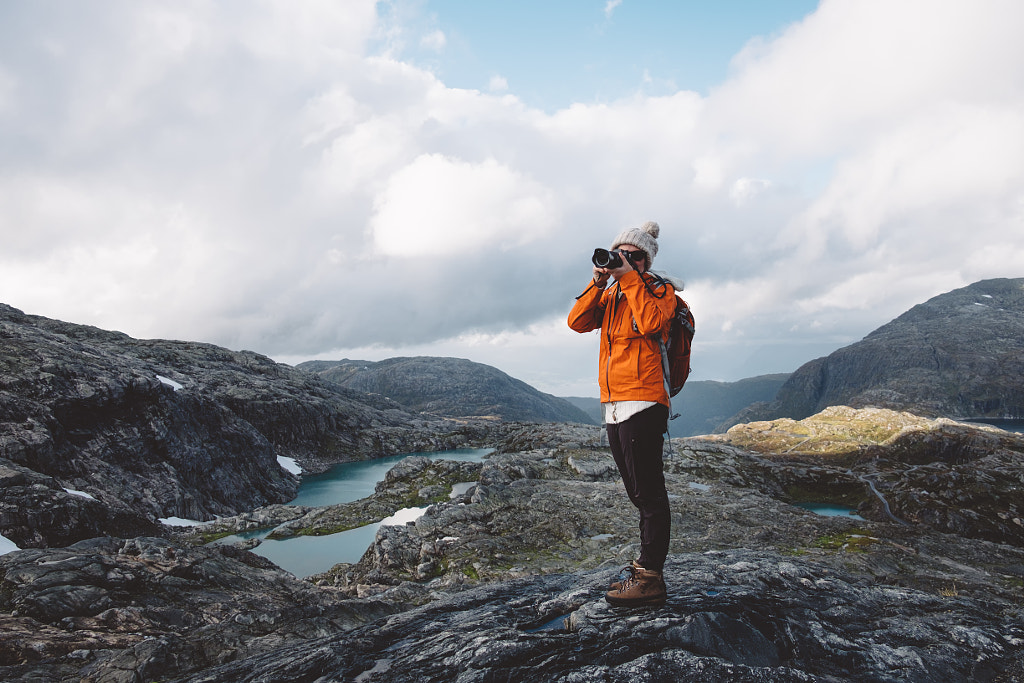
Exploring Folgefonna National Park by Herbert Schröer on 500px

Assorted Categories of Photography Contests

International Photography Awards
Prize: $10,000 cash prize for the ‘International Photographer of the Year Award’ (Professional Categories), $5,000 cash prize for ‘Discovery of the Year Award’ (Non-Professional Categories), exhibition, publication, and more.
Deadline: February 29, 2020.
Entry fee: Single Image: $35 in Professional Categories, $25 in Non-Professional Categories. Series: $60 in Professional Categories, $50 in Non-Professional Categories. Discounts may apply.
Eligibility requirement: Living photographers 18 years and older.
As the “sister-effort” of the Lucie Foundation, this award has been a fixture of the photo community since 2003. In addition to the top awards in the Professional and Non-Professional Categories, 13 Professional Category winners will receive $1,000, and 13 Non-Professional Category winners will receive $500.
All Category winners get two tickets to the renowned Lucie Awards Gala in New York, where they are finalists for either the International Photographer of the Year Award or the Discovery of the Year Award. Previous winners include Nadav Kander, Sandro Miller, Maxim Dondyuk, and many more.
ND Awards
Prize: $2,500 Professional Grand Prize, $1,300 Non-Professional Grand Prize, a monthly feature on the front page of ND Magazine, and more.
Early deadline: April 26, 2020
Final deadline: September 20, 2020
Entry fee: Single image: $20 Non-Professional, $25 Professional. Series: $25 Non-Professional, $30 Professional. Discounts apply to early birds.
Eligibility requirement: Photographers 18 years and older.
Presented by ND Magazine, this annual photo contest covers a range of Categories: Abstract, Architecture, Cityscapes, Fine Art, Portrait, People, Photojournalism, Nature, Landscape, Nudes, Seascapes, Street, Travel, Underwater, Urban, and Wildlife. Professional Category winners receive $500 each, and Non-Professional Category winners receive $300.
Also, Subcategory winners and Honorable Mentions earn medals and are showcased on ND’s online Winner’s Gallery. Judges are looking for work that is modern and fresh but also pays respect to the history and tradition of the medium. They’re also interested in innovative, unconventional work with a strong artistic vision. Previous winners include GMB Akash, Brooke Shaden, Francesco Pistilli, and more.
Prix de la Photographie, Paris (PX3)
Prize: $5,000 cash prize for PX3 Photographer of the Year (Professional), $2,000 cash prize for PX3 Best New Talent (Non-Professionals and Students), exhibition, the PX3 Annual Book, and more.
Early deadline: January 31, 2020 (10% discount)
Final deadline: May 1, 2020
Entry fee: $30/single image, $50/series for professional photographers; $20/single image, $40/series for non-professional and student photographers. Discounts may apply.
Eligibility requirement: Living photographers 18 years and older.
This contest comprises several categories, including Press, Portraiture, Fine Art, Nature, and many more. In addition to the overall prizes, First Place Category Winners receive $500 (Professional) or $250 (Non-Professionals and Students). Submitting photographers will also be considered for the PX3 Annual Book and Winner’s Exhibition in Paris.
*PX3 also has a special “The State of the World” contest, with a focus on eyewitness accounts and global issues. Hossein Farmani, gallerist, philanthropist, and founder of PX3, the Lucie Awards, and more, will select 30 photo stories for a curated exhibition. The entry fee is $35, and selected photographers receive $200 each.
Moscow International Foto Awards
Prize: $3,000 for MIFA Photographer of the Year, $2,000 for New Talent of the Year, $100 for Category winners.
Deadline: April 12, 2020
Entry fee: Single image: $20 for Professionals, $15 for Emerging/Non-Professionals, $10 for Students. Series: $30 for Professionals, $20 for Emerging/Non-Professionals, $15 for Students. $50 for the Portfolio Category
Eligibility requirement: Photographers 18 years and older
Open to photographers from around the globe, this award offers cash prizes as well as significant exposure opportunities. It also comprises an array of genres, from advertising and editorial photography to fine art, science, and nature. The current MIFA jury includes Hossein Farmani, gallerist Susan Spiritus, Tiffany Sprague of the Yale University Art Gallery, The Photo Review founder Stephen Perloff, APF Magazine Editor-in-Chief Rohit Vohra, and many more.
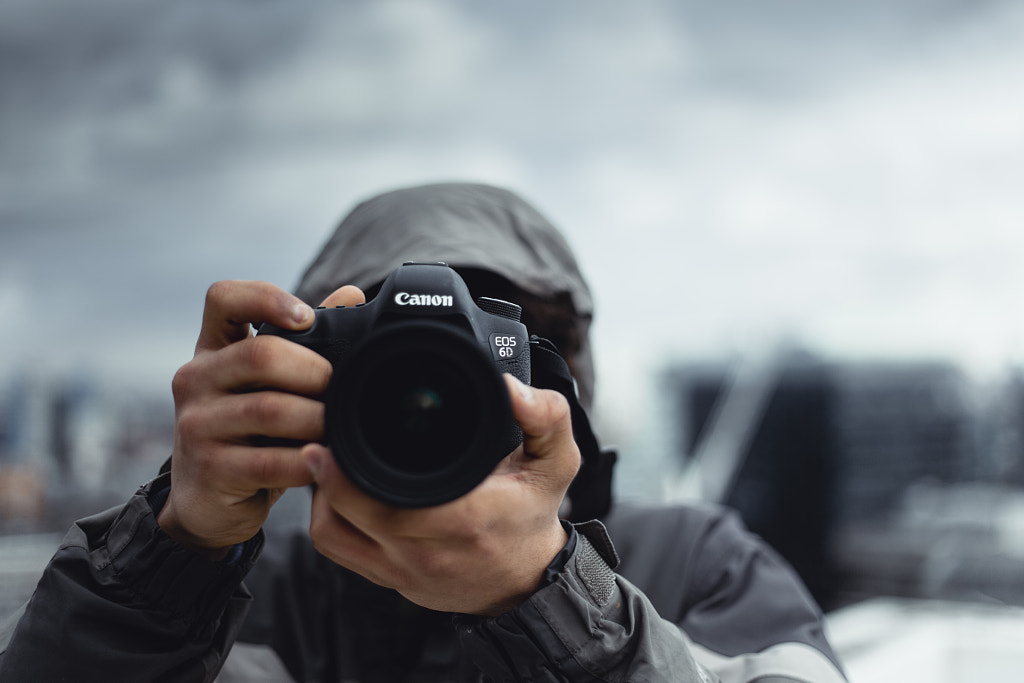
 by LAMARR GOLDING  on 500px

Portfolio Photography Contests

2020 Aperture Portfolio Prize
Prize: $3,000 cash prize, publication in Aperture magazine, and an exhibition in NYC.
Deadline: January 22, 2020
Entry fee: A subscription to Aperture magazine
Eligibility requirement: Open only to Aperture magazine subscribers.
From the world-renowned Aperture Foundation comes this annual prize dedicated to recognizing talent and identifying trends within the industry. The editors and curatorial staff will be looking for exciting and innovative collections that haven’t been widely published, and they’re interested in work made within the last five years. Since this is a portfolio prize, you’ll want to send in 10-15 images from a larger, cohesive body of work.
THE FENCE
Prize: $5,000 project grant, a solo exhibition at Photoville in NYC, group exhibitions, and more.
Deadline: April 10, 2020
Entry fee: $45 per series
Eligibility requirement: Photographers 18 years and older.
THE FENCE is a series of public, open-air exhibitions taking place in major cities around the United States and Canada, including Brooklyn, Boston, Houston, Atlanta, Seattle, Denver, Sarasota, and Calgary. Winning images are printed on vinyl mesh and installed in highly-trafficked areas for at least three months. In total, THE FENCE attracts approximately eight million visitors every year.
One Juror’s Choice winner receives a $5,000 grant to support their project and its development, along with a solo exhibition at Photoville, New York City’s largest annual photography event. One People’s Choice winner receives a Leica camera and is granted admission to a Leica Akademie masterclass.
Feature Shoot Emerging Photography Awards
Prize: TBA
Deadline: Fall/Winter 2020 (date TBA)
Entry fee: $35
Eligibility requirement: Photographers 18 years and older.
Now in its fifth year, the Feature Shoot Emerging Photography Awards recognizes up-and-coming talent across genres and categories, ranging from fine art to documentary.
Although the 2020 awards haven’t yet been announced, prizes in past editions have included cash prizes of $500-$5,000 and group exhibitions at renowned institutions like Aperture Gallery and United Photo Industries in New York, Head On Photo Festival in Sydney, FORMAT International Photography Festival in the UK, and more. Previous winners include Lissa Rivera, Synchrodogs, Michael Joseph, Shannon Johnstone, and more.
Me by Anna  Diana  on 500px

Documentary Photography Contests

CDS Documentary Essay Prize
Prize: $3,000
Deadline: March 1, 2020
Entry fee: $40
Eligibility requirement: All ages and nationalities
Presented by the Center for Documentary Studies at Duke University, this prize alternates between photographers and writers—one year, it accepts documentary writing, and the next, it accepts photos. 2020 is a photography year, and they’re accepting current or recently completed long-term projects. Entrants submit 15 images and a one-page written statement.
In addition to receiving the $3,000 cash prize, the winning photographer will have their work added to Archive of Documentary Arts at the Rubenstein Library at Duke University.
*The CDS also presents Dorothea Lange–Paul Taylor Prize for ongoing documentary fieldwork that incorporates photos and the written word. The deadline for submissions for this award is May 15th, 2020, and the prize is $10,000.
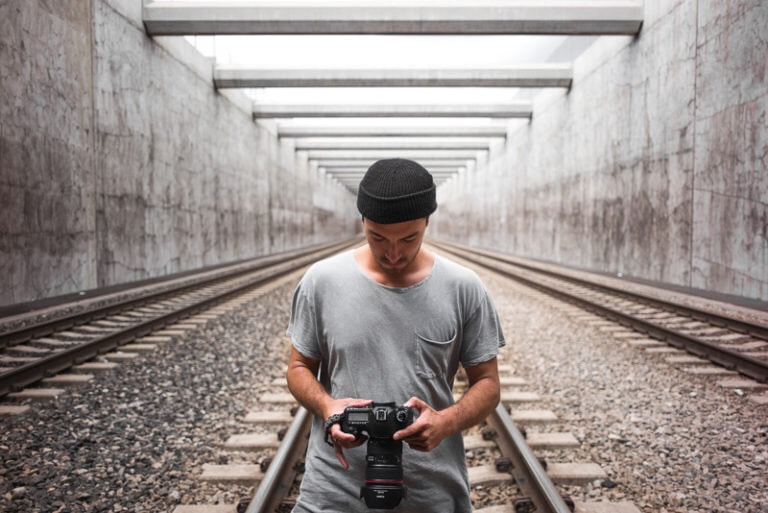
Untitled by Matthew Nordman on 500px

Wildlife Photography Contests

Audubon Photography Awards
Prize: $5,000 Grand Prize, $2,500 Professional Prize, $2,500 Amateur Prize, $2,500 Plants for Birds Prize, $1,000 Fisher Prize. Youth Prize winners receive six days at winner’s choice of one Hog Island Audubon Camp during the 2021 season.
Early Deadline: March 30, 2020
Final Deadline: April 6, 2020
Entry fee: $20/image. Discounts apply to early birds.
Eligibility requirement: Legal residents of the United States and Canada (excluding Quebec), age 13 and older.
This competition is exclusive to photographers of birdlife in the US and Canada, and a special Plants for Birds division will highlight the identifiable plants and supporting habitats surrounding these important animals. Submissions fall into one of three categories: Professional, Amateur, and Youth (ages 13-17). Winners will be published in Audubon and Nature’s Best Photography magazines and will also be part of a traveling exhibition.
Submitting photographers must follow the National Audubon Society’s ethical guidelines to protect the birds and ensure their safety in the future. Photos must be truthful in nature; images that have been digitally altered beyond standard optimization aren’t eligible.
The Comedy Wildlife Photography Awards
Prize: Kenyan safari for the overall winner, gear, and more.
Deadline: TBA
Entry fee: None
Eligibility requirement: Open
Founded by photographers Tom Sullam and Paul Joynson-Hicks, The Comedy Wildlife Photography Awards are an annual contest devoted to conservation—and humor. Any photography lover with a laugh-out-loud funny picture of animals in the wild is welcome to submit. At the heart of these amusing animal photos is a serious message, and the award supports the Born Free Foundation, a charity organization tirelessly advocating on behalf of wildlife.
A collection of winning images from previous years can be found in the book Wild and Crazy: Photos from the Comedy Wildlife Photography Awards.

Black and White Photography Contests

MonoVisions Photography Awards
Prize: $3,000 for Black and White Series of the Year, $2,000 for Black and White Photo of the Year
Early deadline: January 19, 2020
Final deadline: May 17, 2020
Entry fee: $25/single image, $30/series. Discounts apply to early birds.
Eligibility requirement: Photographers 18 years and older.
Open to monochrome photographers working across 12 categories (Abstract, Architecture, Conceptual, Fine Art, Landscapes, Nature and Wildlife, Nude, People, Photojournalism, Portrait, Street Photography, and Travel), this competition includes everything from traditional darkroom photography and cutting-edge digital images.

Mobile Photography Photo Contests

iPhone Photography Awards (IPPAwards)
Prize: TBA
Deadline: March 31, 2020
Entry fee: $3.50/single image, $9.50/3 images, $15.50/5 images, $29.50/10 images, $45.50/15 images, $57.00/20 images, $65.50/25 images.
Eligibility requirement: Open
Photographers around the world are invited to compete for this award—commonly dubbed the “Oscars of mobile photography.” There are multiple categories open for this contest, including Abstract, Animals, Architecture, Children, Floral, Landscape, Lifestyle, Nature, News and Events, Panorama, People, Portrait, Still Life, Sunset, Travel, Trees, Series, and Other.
Of course, photos must be taken on an iPhone or iPad to be eligible—and they should not be edited using any desktop apps. Submissions should also not be published elsewhere, though publication on personal social media accounts is acceptable.
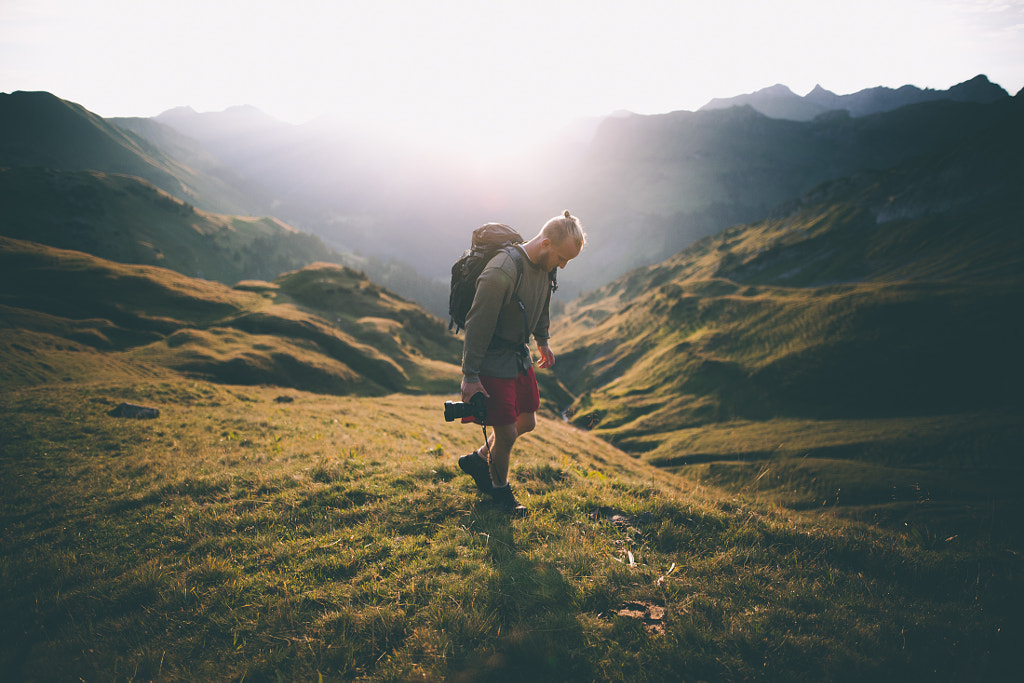
sunrise strides. by Johannes Höhn on 500px

Travel Photography Contests

National Geographic Traveller Photography Competition
Prize: National Geographic Journey to Mexico, Manfrotto tripod.
Deadline: February 23, 2020
Entry fee: None
Eligibility requirement: All photographers residing in the UK and Ireland, 18 years and older.
Led by head judge Becky Redman, art editor of National Geographic Traveller in the UK, this competition welcomes travel pictures taken within the last two years by photographers of all levels. One Grand Prize winner receives a nine-day immersive adventure in Mexico, courtesy of National Geographic Journeys, with a focus on cultural wonders and cuisine. Winners in each individual category—including Cities, Landscapes, Nature, and People—win a Manfrotto Befree Advanced Travel Tripod (worth £168.95).

Themed Photography Contests

Tokyo International Photography Competition
Prize: International traveling exhibition in Taipei, New York, Dublin, and Tokyo, press coverage.
Deadline: January 27, 2020
Entry fee: $40
Eligibility requirement: Photographers 18 years and older
Presented by United Photo Industries and the Tokyo Institute of Photography, this annual competition is now in its seventh year. The theme this time around is ‘Turbulence’, so the judges are looking for images that address the climate change crisis. As polar ice continues to melt and wildfires burn around the world, TIPC will feature eight photographers confronting this issue head-on.
This year’s jury includes photo and climate experts, including Jehan Jillani, Picture and Visuals Editor at The Guardian; Miranda Massie of the Climate Museum; Brent Lewis, Business Photo Editor at The New York Times and Co-Founder of Diversify Photo; Sameera Savarala, Climate Change Specialist, United Nations Development Programme (UNDP), and more.
Nikon’s Small World
Prize: $3,000 First Prize, $2,000 Second Prize, $1,000 Third Prize
Deadline: April 30, 2020
Entry fee: None
Eligibility requirement: Anyone 18 years and older.
Of all the contests we’ve listed here, this is the only one devoted to microphotography. It’s been around since 1975, so it’s established itself as a fixture within photography and science communities alike.
Anyone with a passion for images and access to a light microscope can submit—macro photos and photos taken with an electron microscope aren’t eligible. The judges are looking for creative and original work that has both artistic and informational/educational appeal. They’ve also opened the competition up to videographers with the Small World in Motion competition.
Beyond the top three winners of Small World, photographers in fourth, fifth, and sixth place receive $800, $600, and $400, respectively. Those coming in seventh through tenth win $300, and photographers in 11th through 20th place receive $200 each. Honorable mentions win $100.

Share this article.

Flower photogaphy ebook

Photography Freebie
Get Your Copy here: 
https://s3.amazonaws.com/flower_photography_mps/docs/Flower+Photography+Lesson+1+(FREE).pdf

Saturday, January 11, 2020

Taking full Control of Your Digital Camera

                                  Do you want to take full control of your digital camera?

Beginner Tips for Posing People with Confidence


In earlier articles I gave you advice about planning a portrait shoot and some reasons for using natural light. Now it’s time to take a look at something that many photographers find difficult – posing.
How to pose models
The reason posing can create problems is because inexperienced models will look to you for direction. If your model is waiting for you to tell her what to do and you freeze up or don’t have any decent ideas you will struggle to create good photos. It’s up to you to take charge and tell the model how to pose. The key is preparation – you need a set of poses you can suggest to the model.
Update: since writing this post we’ve released our Handy Portrait Posing Guide with 67 sample portrait poses.

Before the shoot

Here are some points to think about before the shoot:
What kind of shoot is it? The posing requirements for a family portrait are very different than a fashion shoot. You can think about posing once you’ve decided what type of photo you are going to create.
Look for inspiration online. Chances are you have a few favourite photographers you follow on websites like Flickr and 500px. You will find some good poses in their portfolios. Download your favourites to your smartphone (or use Pinterest to create a mood board, covered in more detail in my article How to Plan the Perfect Portrait Shoot). Then you have something you can show to your model. Don’t try and commit the poses to memory – you will forget them under pressure.
Match the pose to your model. This is important. You’ll see some wonderful poses in fashion magazines. But many of them need a professional model to carry them off. Your model may not be able to do that, especially if she has a different body type than the people in the magazine.
Buy the Posing App. It gives you over 300 poses that you can access on your smartphone. The best way to use it is to select five to ten and make them your favourites. Then you can show them to your model so she understands the what you’d like her to do.
How to pose models
Screen shots from the Posing App. The line drawings are easy to understand and follow.
The author of the app has written several articles about posing for Digital Photography School you will find useful (click the link to see a list).

During the shoot

No matter how experienced or inexperienced your model is, here are some tips to help you find the perfect pose during the shoot:
Build rapport. This is essential. If your model likes you and sees what you are trying to achieve she will work harder. If you talk to her about things she likes you will see more life in her eyes and get better expressions, including natural smiles. She will be more relaxed. If your model is tense, you are going to struggle to get natural looking portraits. Take the pressure off her and bring it back on yourself. Assure her that if the photos don’t work out that it’s your fault, not hers. Build her confidence.
Look for natural expression. As you talk to your model you will notice natural expressions and mannerisms that you can use. Don’t be afraid to say “hold that pose” or “do what you did just now again”.
How to pose models
I noticed the model had a interesting mannerism so I asked her to repeat the gesture. This portrait is one of her favourites
Adapt poses. When you suggest a pose, such as one used in another photo or from the Posing App, treat it as a starting point, then adapt it to suit your model. If she looks unnatural in a certain pose, then adapt it so it suits her body and the clothes she’s wearing.
How to pose a model
The pose on the left is one I found in the Posing App. For the second portrait I asked my model to drop her left arm so I couldn’t see it. Don’t be afraid to tweak poses, sometimes a small change makes a big difference.
Simplify. Keep everything as simple as possible. That applies to composition and the clothes and jewellery worn by your model. If she has too much jewellery on, ask her to remove some. It will improve the composition. If you’re struggling to find a good full-length pose, move in closer and shoot from the waist up, or do a head and shoulders portrait. The background will go more out of focus, and there will be less of the model in the photo.
How to pose models
Simplification in action. The closer you crop, the easier it is to pose your model. This is a good technique to use if you are struggling to make a certain pose work.
Pay attention to detail. Especially hands, which often look better side on to the camera. Look at photos where the model’s hands look elegant or are otherwise well posed, and ask your model to do the same. Check her hair to make sure stray strands aren’t blowing across her face or eyes. Look at her clothes to make sure they aren’t wrinkled or creased in a strange way.
Find something for your model to lean on. This makes it much easier to find a natural looking pose.
How to pose models
Two different ways to use a wall to give a model something to do. The Posing App has lots of poses for leaning.
Use props. If the model has something to hold or otherwise interact with, it gives her something to do. If she is having fun you’re more likely to get a great expression.
How to pose models
The model in this photo is into hooping. Using the hoop as a prop gave her something to hold and added interest to the portrait.
How to pose models
I suggested the model bring her horses along to the shoot. The horses are a natural prop and her interaction with them led to photos like this one.

Over to you

Do you have any tips for our readers about posing models? What has worked for you? Tell us about your experiences in the comments.

Portrait Tips for Posing Women


Let’s face it – unless you are working with professional models who know exactly what to do, and how to pose in front of the camera with little to no direction from the photographer, most of your clients, especially women are self-conscious and stiff the moment they get in front of the camera. Nervous laughs and fidgety hands are all signs that they are uncomfortable; they need to feel at ease and are looking for a lot of direction from the photographer. As photographers that is our primary job – to make the client feel comfortable with us, being in front of the camera, and also give them beautiful photos of themselves. To that end, there are some simple tips and poses that work wonders especially for posing women in portraiture.
DPS Articles for posing tips for women 07

#1 Put them at ease and make them laugh

Even before you start taking their pictures, make small talk; ask them about their day and try to get them to relax. Find out what they think is their good side, and why, and keep that in mind while photographing them. If all else fails and they are still very uncomfortable and stiff, have them close their eyes, and at the count of three, open them and give you a very natural smile. This works almost 100% of the time. When they have their eyes closed, they relax their body and face and are able to gather their composure for a few seconds. If you have a continuous photographing mode in your camera (i.e. burst mode), use that to take a quick series with their eyes closed and when they open them. There is bound to be one that will work.

DPS Articles for posing tips for women 06

 #2 Avoid stiff limbs

Choose poses that avoid awkward angles to their hands and feet. Have them sit down on a chair, on the floor, or even on the sidewalk. With older women, have them sit on a chair and cross their legs. This gives a little poise and grace to the image. With younger women, or if you are outside, have them sit down on the ground, or lean against a wall or a fence, and cross their legs at the ankles. Always make sure there is a little bend in the limbs to soften the stance.

DPS Articles for posing tips for women 05

#3 Give them something to do with their hands

Often when posing people if the hands are awkwardly hanging on the side of their body, it looks weird and unnatural. Instead direct your clients by giving them something to do with their hands. Touching their face lightly, putting their hands through their hair, twirling the ends of their hair with their hands, holding the folds of their dress, interlacing their fingers, and putting their hands on their lap all work well. This gives women something to focus on, and helps them relax.
Give your clients something to do with their hands.

#4 Find the right angle to point the camera

Women always want pictures that make them look slimmer. This is easily achievable by a small change in the angle of the camera. Photographing from slightly above the client with the camera pointing downward, elongates the neck and gives a long lean effect to the face. This also helps define the jaw line. One caution, don’t photograph down at a 90 degree angle to the face. Not only is this an uncomfortable pose to hold when the client is looking straight up, but you don’t want to photograph down someone’s nose!
If you have to photograph women straight on where the camera is parallel to the face, have your clients slightly tilt their head to the right or left. Again, this relaxes the face, neck, and shoulders and gives a little twist to the normal straight-on portrait photo. Sometimes standing behind the client and having them look over their shoulder at you also works. To me this is a very natural and candid pose – as if they were doing something and turned to take a casual candid photo. One thing to be watch out for here is unflattering creases around the neck.
DPS Articles for posing tips for women 02
Looking up at the camera
DPS Articles for posing tips for women 03

#5 Environmental elements

There is just something really magical about the wind blowing and lifting the hair, or even beautiful catchlights in the eyes. This almost instantly adds a wow factor to a portrait. If you happen to be outside, try and use such environmental factors to your advantage. If you are indoors, the same effect can be achieved with a small fan, simple hair dryer, or even an extra reflector used to create some wind.
For catchlights, if you are outdoors, place your client in an open shade area and look towards a light source (the sun or even an off-camera flash). If it happens to be a cloudy day, or if you are photographing inside in a studio, catchlights can be achieved with reflectors. If you have a reflector that has multiple colored sides, use the sliver side and hold it at a 90 degree angle, or less, to the face. Play with the reflector placement to get the right look you want.
DPS Articles for posing tips for women 04
To me, all these tips have a common thread – pose your client such that they are comfortable in the pose. An uncomfortable pose or stance will show itself  obviously in your images, no matter how lovely you think the pose is. Never force a client into a particular pose.
Feel free to share tips that work for you when posing women for portraits.

Share this article.

Portrait Posing Tips- How to Help People to Relax and Take Better Photos

Editor’s note: this week we will be featuring a series of articles on posing for portraits. Look for a new one each day. If you miss any make sure you subscribe to our newsletter and you’ll get a reminder of all our articles once a week.
One of the trickiest parts of doing a portrait photo shoot has nothing to do with operating your camera, mastering your lenses, controlling the light, or even dealing with uncontrollable weather. Getting your clients to relax, take it easy, and enjoy themselves during your time with them is just as important as making sure you have all the technical aspects of your equipment figured out.
This is often the key to a successful photo shoot, and yet it’s so easy to get caught up in learning about your camera equipment and buying new gear that many people forget to invest time in developing the human element of a photo session. Portrait posing and how to help your subjects relax is key to taking better people photos.
parent-holding-baby
If this aspect of your craft is not managed properly you could easily find yourself in the middle of a photo session where your clients are confused, agitated, bored, or worst of all, frustrated and angry. Every photographer has their own unique style, but generally speaking if you can get your subjects to get comfortable and relax, you can get more of the photos you (and they) are really looking for. It’s a tricky situation to be sure, and every photo shoot is different, but here are three techniques that may be helpful:

1. Get to know your clients beforehand

At its most basic level taking photos for clients is a simple business transaction wherein they pay you money for a service you provide. But it’s really much more than that: people are inviting you to record a point in their lives that they will hold dear for decades to come. When you order a sandwich or cup of coffee it doesn’t matter who you are, what hobbies you enjoy, what professional goals you have, or whether you woke up on the wrong side of the bed that morning. You hand over some cash, get what you ordered, and go about your day. However, taking portraits is almost the polar opposite because everything matters. A good portrait photographer will strive to capture the essence of the people they are working with, and getting to know them first is a key element of making this happen.
family-sitting
On my website I have three simple questions on my Contact page:
  1. Families: What was the best family vacation you ever went on?
  2. Children: If you could have the perfect birthday party, what would it be like?
  3. High School Seniors: If you had $1000 to spend, and a week off from school, what would you do?
The answers to these questions help me understand more about my potential clients, but also send a message to them that they mean more to their photographer than just a pay-check. This helps with any pre-session discussions we might have, as well as the photo shoot itself, because the seeds have already been sown for good conversation and a relaxed atmosphere.
I’m a teacher by trade, having taught in K-12 schools as well as at the college level (in addition to six-week classes for other teachers), and one common thread that I have found among people of all ages, is that most of them just want someone who will listen to and take an interest in them. With this foundation laid, classes are always much more productive for me and my students. So it goes for the photographer as well: if you show your clients that you are interested in them as people, you will find them to be much more cooperative as photography subjects. It might take some time to get to know them before you photograph them, but this will pay off handsomely for you and your clients throughout the entire picture-taking experience.
senior-brick-wall

2. Don’t treat the photo shoot like a photo shoot

I did a photo session recently for a bright, intelligent, outgoing young man who simply did not want to have his picture taken. He was nearing the end of his time in high school and his parents wanted to get some nice photographs before graduation, particularly of him in his cap and gown. He would much rather have been at home playing video games or hanging out with friends, but instead was obliged to spend the late afternoon with me taking photos – a prospect that was about as much fun for him as getting a tooth drilled. How on earth can you possibly get someone like this to relax, have fun, and enjoy a photo shoot? Simple: don’t make it about the photos.
One of the first things I said to this student as I hoisted my camera bag to my shoulder was “What video games are you playing right now?” He immediately relaxed and started telling me about one of his current favorites, which then branched into discussion of what his friends were playing, which then led to a dialogue about the recent school year and even his career goals. All the while I was snapping photos, while giving him subtle directions without interrupting the flow of our conversation. I got more good shots than I ever thought I would, and he enjoyed our time together far more than he had anticipated.
This girl was a bit nervous about having her picture taken so instead we just talked about music. I don't know much about the clarinet, but she was more than happy to tell me about it, and in the process gave me plenty of good photo opportunities.
This girl was a bit nervous about having her picture taken so instead we just talked about music. I 
don’t know much about the clarinet, but she was more than happy to tell me about it, and in the 
process gave me plenty of good photo opportunities.
This is just one example, but I have seen the same scenario repeat itself over and over: people tend get nervous and self-conscious when getting their photos taken, so if you want them to relax, have fun, and enjoy the photo shoot, try treating it as an hour of just hanging out. They’ll enjoy it much more and you’ll be surprised at the nice results you can get.

3. Build long-term relationships

When you order a pizza or pick up a tool from the hardware store you’re not looking for any type of lasting personal commitment. It’s merely a simple business transaction that serves a functional purpose, whereas photography is quite the opposite. Because you are dealing with people, and not objects, you should not only get to know your clients and seek to build a rapport with them, but find ways to build a professional relationship with them after money and pictures have changed hands. This won’t necessarily improve a current photo session, but it will pave the way for many successful future sessions while also helping to spread the word to the client’s friends, family, and co-workers about your photography services. A few ideas to try include:

Send a real thank you card

Send a thank-you card to the client (not an email, but a physical handwritten card) a few weeks after they receive their photos. Let them know how much you enjoyed working with them and appreciated their business, which is a good way to build a positive professional relationship that will last for years to come, and help make future photo sessions much more relaxed and enjoyable. You can also slip in a discount for a future photo session, which will give them even more incentive to do business with you again. This is especially important if you work with children or families, as you can easily lay the groundwork for many years of photo sessions by letting them know how much you appreciate them and enjoy working with them.
child-bench-book
This boy’s parents had such a positive experience on his photo shoot that they asked me to take 
pictures for their whole family a few months later.

Post about the session on social media

As more clients share their lives online, you can take advantage of the medium to publicly say how much you enjoyed working with a particular client, how good the photos turned out, or how you are already looking forward to a future session. Clients often respond quite positively, and this type of public recognition helps to reaffirm their good opinion of you as a photographer. Note that you will want to get your client’s permission first, and posting about a client on Facebook is not the same as friending a client. I don’t necessarily recommend that, though I know several photographers who do.

Scratch their back, and they’ll scratch yours

Many of your clients (or their parents) are working professionals and would appreciate your patronage as much as you like to have theirs. Remember the father of the cute kid from last week’s session who is a local plumber? Give him a call the next time your sink overflows. What about the upcoming wedding shoot with the couple who owns a local deli? Take your family there the next time you go out to eat. Building these types of professional relationships is a good way to help ensure that future photo sessions are relaxed and comfortable for your clients. They will start to trust you, be at ease around you, take directions from you, and also recommend you to their friends and family. This also sends the message that you are interested in more than just taking pictures, but are an active and supportive member of your local community, which is filled with people who might be looking for a photographer to do their next portrait session!
family-portrait
Getting to know this family, finding out about their interests, and building on experiences from 
previous photo shoots helped make this session fun and enjoyable for them and much easier for me 
as a result. The children knew me from their photo session earlier in the year, which not only helped 
them relax but put the adults at ease too.
These are just three ways to help you get people to relax in your photo sessions, but there are many other ideas as well. What about you? What tips and tricks have you learned over the years to help your clients relax, enjoy themselves, and help you get the best shots you can? Leave your thoughts in the comments below.

Share this article.

Friday, January 10, 2020

Photography Tutorial: ISO, Aperture, Shutter Speed

5 Tips to Help Build Your Confidence in Photography

5 Tips to Help Build Your Confidence in Photography
Think of your last bad day of photography, a time where you just blew a whole batch of portraits, or even a couple’s wedding day images were spoiled. As photographers you can’t go back and fix that. Yes if you use RAW, you can get some info back from under or over exposed shots, and editing tools these days can be incredibly useful. But, when you spend more time behind the computer than with you camera it can be a real confidence buster. It may even be taking away from future business, if not your enjoyment of photography.
So how do you build your confidence?
confidence in photography
These DPRK soldiers show confidence and loyalty guarding the DMZ and the 38th parallel of Korea. 
The soldiers at Buckingham Palace don’t flinch, and that takes practice.
Having confidence exudes confidence, but where does real confidence come from. Well it doesn’t just come from nowhere, that is often called arrogance. It comes from the awareness of your emotional state relative to your cognitive abilities.
If you use your emotions to create, you are being confident. If your emotions are overwhelming you during your shot or photo series, you are likely under-confident. By the book, you may know everything there is to know about the exposure triangle, rule of thirds, color theory, etc., but when you are actually shooting do they do more to help, or do they hinder you?
Confidence is a delicate balance between what you know, and how well you are capable of performing. So let’s look at a couple of examples and analogies to help build your confidence as a photographer.

#1 – Confidence isn’t always consistent

Real confidence is never consistent, and has its slumps. Professional sports is a great example, even superstars have an off night.
So when you have an off night, remember another night is just 12 hours away. If it is the morning, it is still 12 hours away. Even a broken clock is correct twice a day, so don’t beat yourself up. In the short run you may have really blown a photo shoot, or missed the animal of your dreams because you were not being conscious about your settings, or you were simply absent minded. But that is the short term, and as long as you get right back out there, the better off you are going to be.
The best of the best all fail, but what keeps them on top of their game is the arduous task of owning up to being human, and going out to find a solution to your goof. In the long run, they will be memories that you get to look back on with a laugh.
confidence in photography
Baseball is a national pastime in Cuba. Although it was my first time shooting baseball in the barrios 
of Havana, it wasn’t my first time shooting it.

#2 – Learn from your mistakes

Few people are perfect photographers from birth. Generally, talent comes through sweat, tears, and sometimes even blood. If you make mistakes you can learn from them. Confidence has a conspiracy with failure. So take two steps forward, and one step back. Stay committed, and speaking of commitment and blood, I am not the only photographer who has taken a tumble, and when people ask you if you are okay, you respond with, “Yes the camera is fine”, while your knees and elbow are bleeding.
confidence in photography
Continuing with the baseball theme, after striking out, it only took one big swing to make the winning 
home run. Don’t give up, live, learn and keep swinging for the fences.

#3 – Be vulnerable

Enter a photo contest, and don’t expect to win. It is a final process of completing the photography and artistic conceptual circle. Letting your photo hang on a wall, while others look at it, even for a few minutes, is a scary prospect for some. But think of leaving your freshly baked pie on the dinner table, and just looking at it. We don’t do that with food, nor should we do that with our photography.
People will love it, like it, dislike it, or downright hate it, but that doesn’t mean you are wrong. It means you have succeeded in making the photography world just a little more interesting. You also never know who you will inspire. Your vulnerability will soon become a strength that will help build your confidence.
confidence in photography
After years of holding on to this photo, I finally entered it into a regional photography competition. It 
got in, and although I was not a recipient of anything, another gallery called a month later and wanted 
to host my work for a show.

#4 – Learn from others BUT don’t compare yourself to them

There is a world of knowledge available, and many people who you can learn from. Use them, ask them questions, share ideas – but don’t compare yourself to them. Generally when you compare your own work to others, it may leave you with a sense of there’s more to be desired, and a sense of failure. So learn from their perspectives, their tutorials, and their stories, but don’t get caught up in who is better.
A happy photographer is the best photographer. Furthermore, over time you will begin to see the merits in some of your earlier experimental work. Perfection is not the goal, it is the journey to becoming a more enriching photographer.
IBQ 0174
This Magnolia opening in spring was taken in full sunlight. I saw a series of flowers on a photo stream, and realized I had not taken a photo of something beautiful in a long time. This helped me learn to see, and if our images were side by side, I am sure theirs was better. But I enjoyed doing something different than what I normally shoot.

#5 – Avoid gear envy

There will always be something bigger and better, wait another year and the next new version will be out. So don’t get intimidated by other photographers’ gear, and more importantly don’t let your photos depend on your gear. Think of it as a challenge.
confidence in photography
Taken with a 50mm, manual focus lens from my father’s box of forgotten things, that I found 
rummaging through his old stuff. Lenses and cameras are fun to have, and fun to buy, but they don’t 
make the photo.
A small trick I use when the next new thing comes out, and I get in that spiral of getting all gear-junkie about it is to look at some of the classic photographers from 100 years ago or read up on some color theory. This gets me back to the basics, try it yourself.
So if you realize that every showing will not be your best, you can get over thinking that your gear dictates the success and failure of your photos, if you can start to learn from your mistakes, and begin to hang photos on a wall – then guess what? Your confidence will begin to grow, you will have more control (and more power) over photography (situations, light, camera gear, etc.). As your confidence grows it builds and builds on itself.
The next six areas are examples of how confidence will help you in that style of photography. Part one is developing confidence, and part two is a set of examples of how confidence can help in different situations.

How confidence can help you take better photos

In portraiture, confidence helps you connect with, and calm your subject, to bring out their inner spirit. There is little worse than a nervous model and a nervous photographer. Even if you are not 100% sure what you’re doing, show confidence, take your time, and slowly adjust your settings to get things closer to your ideas. Try and keep from getting frustrated and making large adjustments wildly to your gear.
confidence in portrait photography
This young girl in North Korea had never seen an American before, but after me keeping my cool she 
was much more approachable.
In wildlife photography, confidence lets you trust your gut, and get in the right place at the right time. Luck is important, but perseverance will ultimately lead to success. Having confidence will give you the extra optimism to keep you going, as you wait patiently.
confidence in wildlife photography
On a long road trip from east to west across the US, I hadn’t run into any large animals. In Wyoming I 
decided to go for another shot at an indiscrete state park, and there were buffalo everywhere.
In travel photography, confidence helps you see beyond the postcard shot. Confidence allows you to see your journey, not the one that is in the travel books. It helps you see the subtleties, and personalize your travel story, rather than trying to just take the photo that everyone else wants you to take.
confidence in travel photography
This sassy little Cuban was just parading on her porch. I walked by without grabbing my camera, then 
discreetly turned around and caught her exuding luxury, Cuban style.
In fine art photography, confidence will allow your creative side to flow. It will allow you to access what is sometimes referred to in sports as “being in the zone.” This zone, or flow is your brilliance at its best, and confidence supports your ambitions as an artist.
IMG 2012 Edit Edit
One of my favorite images from India, where cricket matches were being played. Using multiple exposures, then giving it a symmetrical clone, I produced something that I cherish. Maybe only you like your photo, but that is what being true to yourself is all about.
In bad weather confidence helps you see the silver lining. For all types of photography we rely on light. A great source of light is outdoors, and when that golden hour turns to wind and rain you have a choice – pack up and go, or think outside the box. Confidence helps you control your surroundings, even when they are out of control, so you can begin to work within them, and use them to your advantage.
IBQ 4876 Edit Edit 2
I can’t say that the weather was bad here, but the timing was. I was just getting to a ghetto outside of San Jose, Costa Rica at night. I wanted to get in and out before I felt compromised, unsafe. So regardless of if it’s bad weather, or bad timing, confidence can help you to push through.
In tough times confidence gives you the grit to continue. Really, this is what a lot of photography comes down to – do you have the gumption to get up early for sunrise, or not? Can you give a genuine smile to your client, even when you are not having the best day? Can you be satisfied with the gear you have, and not think about the next lens you want to get? Can you be the best photographer you can be?
confidence in photography
Symbolically this Burmese woman has had a few more tough times than I have. Confidence in
photography will help you put things into perspective.
Confidence is hard to gain and can take years to attain. It is a process, and is easier for some than others. But if you work at it, it will build. Just as you work on other aspects of your photography, your emotions need work to. Confidence is an emotion, so practice with your feelings, and let them grow alongside the cerebral aspects of photography. Be mindful of your emotions, not fearful of them.
Do you have any other confidence building tips? If so, please share them in the comments below.

Share this article.

How to Make Sure You Use Your New Camera

Raise your hand if this scenario sounds familiar: you get a new camera, possibly as a gift, and immediately your mind leaps with excitement at all the photographic possibilities that await. You quickly start taking photos of everything around you; houseplants, food, pets, your kids, the trees in your yard, even mundane objects like cookware, or office trinkets. You just can’t wait to get your new camera and kit lens off the shelf and shoot photos of everything.
But after a week or two the lustre wears off, and your camera starts spending more time in your closet than in your hands. You find yourself too distracted, too uninspired, or worst of all, too busy to take photos. Every now and then you pick up your camera, put it in Auto mode, and take a few interesting pictures – but sooner or later your camera, which initially held such wonderful photographic possibilities, spends most of its time tucked away, only to be pulled out on special occasions when you really need some good photos.
use-your-new-camera-butterfly
If that rings a bell it’s because almost everyone interested in photography goes through a similar phase at some point. Thankfully there’s hope! I’ve been in this same situation, as have many other people I know. So, here are some tips that will help you get your camera out more often, so you can start learning and growing as a photographer.

Take your camera with you

This may seem obvious, but it’s an important step that many new camera owners overlook. Your fancy DSLR or mirrorless camera doesn’t have to be just for special occasions, it can be for anything you want. The important thing is that you have it with you to take pictures.
Basically, if you don’t want your camera to end up collecting dust on a shelf, don’t let it sit and collect dust on a shelf. Going to work? Grab your camera. Heading to a friend’s house? Take your camera. Taking a walk? By all means, bring your camera. Of course you’re going to bring your camera to events like your kid’s baseball game or your friend’s graduation, but using it only in those circumstances often leads to camera atrophy.
use-your-new-camera-student-fountain
This shot was a complete accident. It was not planned at all, and I only got it because I had my camera 
with me when I was out for a walk.
The famous hockey player Wayne Gretzky once quipped, “You miss 100% of the shots you don’t take”, and the same holds true for photographers. The only way you’ll ever start taking more pictures, and thus growing as a photographer, is if you start taking more pictures. And you can’t do that if you don’t have your camera.
I take mine with me to work every day, and even though I have a similar daily commute and work routine, I constantly find myself looking for new shots to take, and new ideas for photography. If you are worried about breaking your camera, buy a cheap bag or a better carrying strap. If you’re a bit self-conscious of what people may think if they always see you with your camera, just tell them you’re trying to learn more, and get better as a photographer. It might seem kind of weird at first to take your camera with you wherever you go, but that will likely pass (it has for me, and for others I know) as you start to discover the joyful serendipity that’s inherent in documenting the world around you with a camera that’s leaps and bounds better than the one in your mobile phone.

Join a photography community

In the movie Office Space, the protagonist, a twenty-something chump named Peter Gibbons, tells a pair of consultants why he has so much trouble doing his job. “It’s a problem of motivation,” he casually explains, as the three of them discuss his low work performance, and what can be done about it. Photographers, especially new ones with recently-acquired gear from the holidays, often suffer from the same problem. They are highly motivated to take pictures and use their cameras, but when the rigours of their daily life set in, they lose the motivation they once had. One solution is to join a group, whether online or face to face, of fellow photographers and enthusiasts.
use-your-new-camera-construction
Photography communities have been invaluable to me as a source of knowledge and inspiration.
Being a part of a photography community offers all sorts of benefits. You can get answers to questions, get help with your camera, share your own experiences with others, go on photo walks, engage in photo critiques, and get to hang out with a lot of really fun people. If you live in a small town like I do, you may not have a group that you can join in person, but there are many online forums that offer similar experiences. DPS has an extensive set of r/photography forum is a fantastic source of news, information, discussion, and education.
I could go on and on, but the point is that joining some type of photography community will not only help motivate you to take more photos and grow as a photographer, it will also help you meet a lot of new and interesting people who share a similar passion for taking pictures.
use-your-new-camera-eclipse
I don’t know anything about astrophotography, but asking about it in photography communities taught me enough to get this composite shot of a recent lunar eclipse.

Do a Weekly Photo Assignment

Many churches, businesses, and support groups use the concept of accountability partners; people with whom you develop a personal relationship in order to keep each other on the straight and narrow path. Photographers can benefit from this type of accountability as well by taking part in weekly photo assignments, essentially ensuring that you always have a reason to go out and take pictures. DPS has a weekly photography challenge, but there are lots of other weekly challenges you can find online as well.
While the goal is not to create a one-on-one relationship of support and trust, just knowing that you have an assignment to take pictures each week can go a long way towards helping you use your camera more often. In doing so, you will learn more about your equipment, but also grow as a photographer as you try new things, and get exposed to ideas for pictures you would have never otherwise considered.
use-your-new-camera-leaves-rain
Doing weekly photo assignments has forced me to look for picture opportunities where I would have 
never otherwise seen them.
Notice that I said weekly and not daily, and there’s a reason for this. Photography burnout is a very real problem especially for new photographers, and doing a daily challenge or assignment can be fun at first, but often gets more than a bit overwhelming. I know several people who have actually stopped taking photos because of a daily challenge. They felt like they were failures because they could not meet the requirements of taking pictures every single day, and that in turn led them to stop taking pictures altogether.
Monthly challenges are nice, and will not usually overwhelm you, but they are (in my opinion) a bit too infrequent to be sufficiently challenging or motivating. Weekly photo assignments seem to hit the sweet spot, and can be a fantastic way to help ensure you get a lot more use out of your camera.
use-your-new-camera-spider-grasshopper
If you do a weekly assignment for a while and don’t feel as though it offers enough of a challenge, then by all means start doing daily photo projects. Alternatively, if you find that you can’t meet the demands of a weekly photo, then go down to one a month. The point of these is to hold yourself accountable for using your camera more often, to improve your skills over time, and a weekly assignment is a fantastic place to start.

Never let the value of your photos be determined by others

This final rule is more of a word of caution to new photographers – do not fall into the trap that likes or shares on social media equates to quality images. Use your camera to take photos that are interesting for you, not for others. Find ways of expressing yourself, capturing emotions, telling a story, or presenting a scene through photography, not with the purpose of getting likes on Instagram or Facebook, but simply because it’s something you personally enjoy.
The problem with chasing after likes and shares is that there’s simply never enough. Initially you might be thrilled to have a dozen, but soon you’ll want more. After a little while you’ll be thrilled to have 100 likes, but then you might wonder why your friend got 200 on a picture that you think is clearly subpar. One of your photos gets shared a hundred times, or you post an image that gets lots of shares, but another one is virtually ignored. Or a beautiful shot you took gets no retweets, while a selfie you took with your iPhone gets retweeted dozens of times. Or an image you spent hours trying to capture gets no comments at all.
If your enjoyment of photography can only be quantified by social media metrics, you’ll probably never be satisfied.
use-your-new-camera-squirrel
This is one of my favorite animal pictures I’ve taken. I know it’s not perfect and the squirrel blends in 
a bit too much with the leaves, but I like it and that’s what gives it value to me.
The problem with these scenarios is they all rely on external validation of your work, and if it fails to materialize, then it can lead to feelings of worthlessness on your part. Taking pictures should be fun, interesting, experimental, captivating, and enjoyable for you. If you like your photos, then it doesn’t matter if you don’t get hearts, thumbs-up, plus-ones, or shares online. Of course you can, and should, seek opinions and advice from others so you can learn to grow your skill, and improve as a photographer. But, don’t let the worth or value of your images be determined by the numbers below them on social media. That’s a trap into which many budding photographers have fallen, and while it can be fun to see one of your images get a lot of attention, the truth is that attention is so fleeting that people will move on to something else within a few hours.

If you just got a new camera, congratulations! If you have one that’s been sitting around waiting to be used, go pick it up! I’m excited for you, and I am thrilled for the journey that awaits. If you have been in these situations before, what are some of your favorite tips and tricks that have helped you use your camera more over the years? I’d love to hear your thoughts in the comments below.

Share this article.